

 Based on 116 Verified Google Reviews
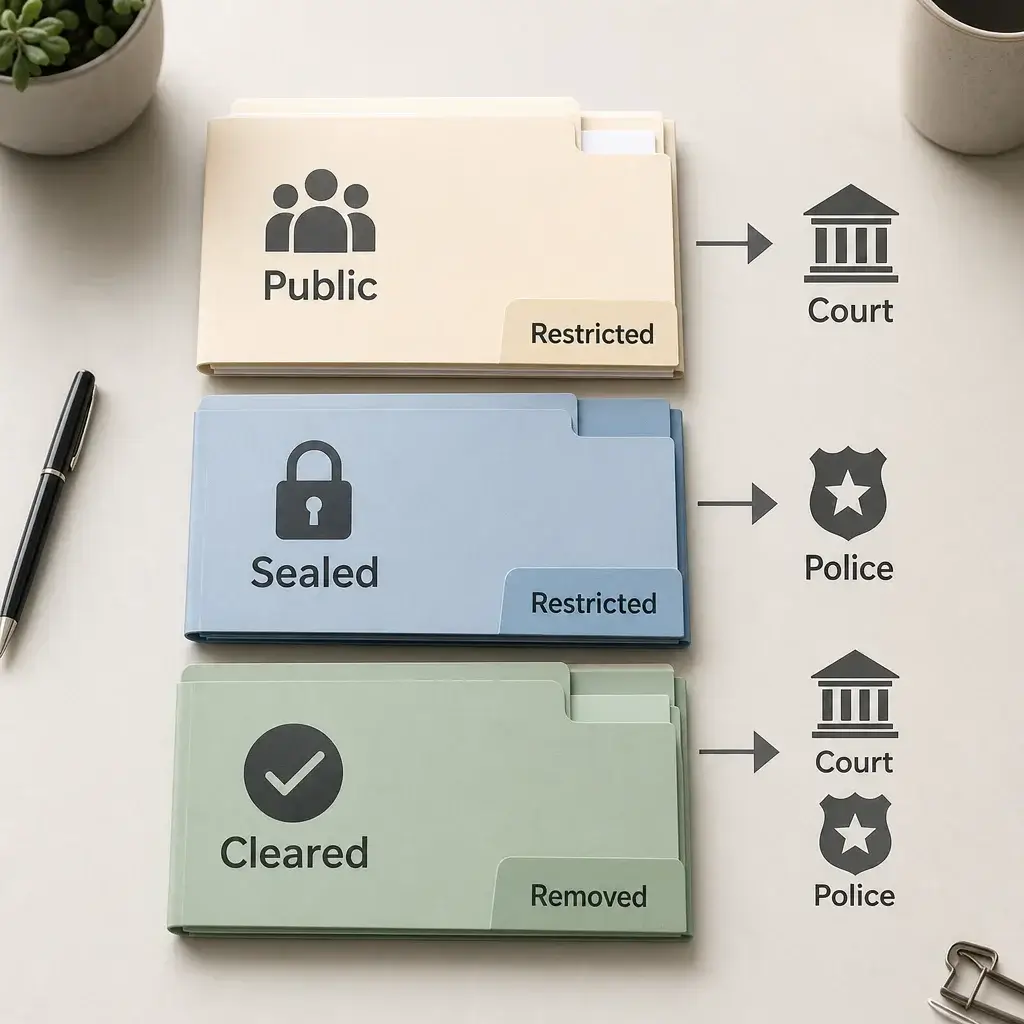
Can assault and battery charges be expunged? Sometimes yes, but the outcome of the case usually matters more than the label. Dismissed, dropped, acquitted, or diversion-based results are usually stronger candidates than guilty convictions, and some places use sealing or shielding instead of expungement.
Banks give one mortgage product. Courts do not even give one record-clearing system. The rules change by state, by charge level, by whether the case involved domestic violence, and by whether you were convicted. In Canada, this is different again: Canadian records are not handled through U.S.-style expungement rules, and a Canadian record usually needs Canada-specific advice.
Direct answer: can assault and battery charges be expunged?
Charges are often easier to clear than convictions because many jurisdictions treat dismissed, dropped, acquitted, or diversion-completed cases more favourably than guilty findings. A charge does not usually disappear on its own, even if the prosecutor dropped it, so you still need to check the court where the case ended.
Battery charge expungement and assault charge expungement are not automatic labels with one national rule because states define those offences differently. What usually drives eligibility is the final disposition, whether the case was domestic, whether it was a misdemeanor or felony, whether there was injury or a weapon, and whether you have prior or pending cases.
Expungement vs sealing vs shielding: what each one actually does
Expungement usually means the law allows the record to be removed, destroyed, or treated as though it is no longer part of the public file, but the meaning changes by jurisdiction. Some states use the word narrowly, while others offer a remedy that functions more like restricted access than true deletion.
Sealing usually means the public cannot see the record easily, but courts, law enforcement, licensing bodies, and some government agencies may still have access. Shielding is another state-specific term for limiting who can view a record rather than erasing it completely.
| Remedy | What it usually does | What it may not do |
|---|---|---|
| Expungement | Removes or clears the record as allowed by local law | May still remain visible to certain agencies or by court order |
| Sealing | Blocks general public access | May still be visible to law enforcement, courts, or licensing boards |
| Shielding | Restricts access for certain searches or users | Usually does not mean the record never existed |
Expungement vs sealing is not just word choice because the remedy affects jobs, housing, licensing, and future disclosure duties. I would not assume a record is gone forever unless the court order and local statute say exactly that. This is general information, not legal advice for your own case.
What matters most: charge vs conviction vs case outcome
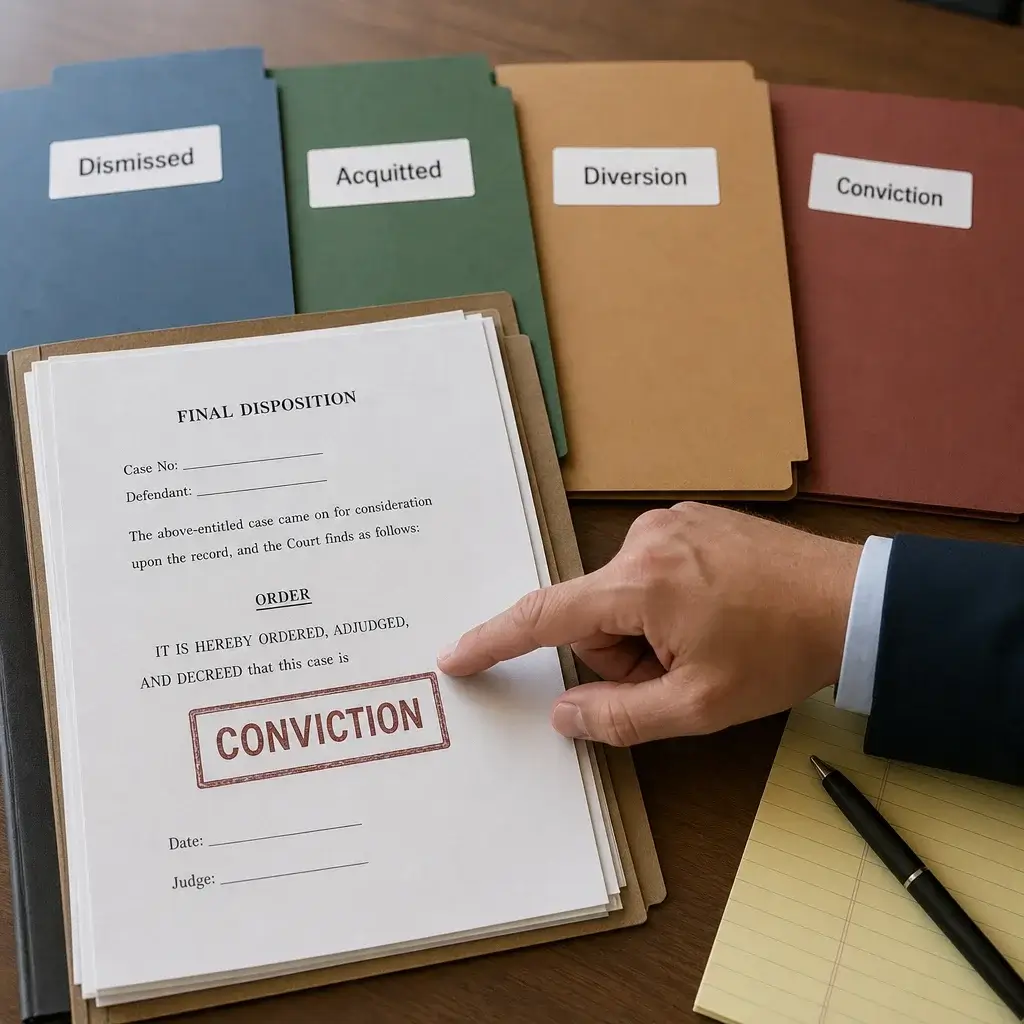
The case outcome usually matters more than whether the file says assault or battery because record-clearing laws are built around dispositions. An arrest with no charges, a dismissal, an acquittal, a completed diversion, a deferred outcome, and a conviction often sit in different legal buckets.
A dismissed or acquitted case is usually the strongest fact pattern because there was no conviction to defend. A guilty plea, no contest plea, or conviction after trial often triggers a waiting period, stricter exclusions, or a complete bar, especially where the offence is classed as violent or domestic.
A reduced charge can change the analysis because some jurisdictions care more about the final offence of conviction than the original arrest charge. If an assault case was reduced to a non-domestic and non-violent offence, that may improve eligibility, but one related ineligible count can still block relief in some states.
| Case outcome | General eligibility pattern |
|---|---|
| Arrest only, no formal charge | May be eligible |
| Charged, then dismissed or dropped | Often a strong candidate |
| Acquitted or not guilty | Often a strong candidate |
| Diversion or supervision completed | May be eligible, depending on the program and offence category |
| Deferred adjudication or withheld finding | Maybe, depending on state rules and offence category |
| Guilty or no contest plea | Harder, often subject to exclusions or waiting periods |
| Conviction after trial | Harder, often subject to exclusions or waiting periods |
| Reduced to lesser non-violent offence | May improve eligibility |
Are assault and battery treated differently?
Sometimes yes, because some states separate assault from battery and others combine them or use different labels. One state may treat assault as a threat or attempted harm and battery as actual unwanted contact, while another state may roll both into one offence category.
The legal classification usually matters more than the word because courts look at violence level, domestic designation, bodily injury, weapon use, victim status, repeat-offender status, and felony versus misdemeanor level. Simple assault or simple battery may be treated more leniently than aggravated assault or domestic battery.
Can assault convictions be expunged and can battery convictions be expunged are really classification questions, not vocabulary questions. I tell people to pull the docket, the charging document, and the final disposition before assuming the label answers anything.
When assault or battery charges are more likely to be eligible
The best candidates usually involve no conviction because dismissal, acquittal, nolle prosequi, no information filed, or arrest without formal charges often fit the broadest relief categories. Completed diversion, supervision, deferred adjudication, PBJ, or withheld adjudication can also help, but those results are not treated the same everywhere.
Eligibility often still depends on cleaning up the rest of the file because unpaid fines, unpaid restitution, open probation terms, pending charges, or a new arrest can block a petition. Prior convictions can matter too, especially where the statute limits relief to first-time or non-repetitive records.
Use this self-check before you spend time filing a petition:
- Exact charge name and statute number
- Assault, battery, domestic battery, or aggravated classification
- Misdemeanor or felony level
- Final disposition: dismissed, acquitted, diversion, plea, conviction
- Date sentence, probation, or supervision ended
- Whether all fines and restitution are paid
- Whether any cases are still pending
- Whether there are prior convictions or related same-incident charges
- Whether the case happened in another state or in federal court
When assault or battery records are often not eligible

Violent-felony exclusions are one of the biggest roadblocks because many states carve out serious violent offences from expungement or sealing statutes. Weapon use, serious bodily injury, repeat-offender status, domestic violence classification, sex-offence tie-ins, and protective-order violations can all make a file harder or impossible to clear.
A conviction in an excluded category can stay ineligible even if the sentence is complete because finishing probation is not the same thing as qualifying for expungement. Some places also bar relief while any new criminal matter is pending or while restitution remains unpaid.
The common mistake is assuming time alone fixes the problem. If no relief is granted, a criminal court record can remain on court and background-check systems indefinitely.
Domestic violence, domestic battery, and protective-order complications
Domestic violence expungement is usually harder because the domestic label can trigger special exclusions, notice rules, and objections even where the underlying conduct looks like simple assault or battery. A case reduced from domestic battery to a non-domestic offence may be treated differently from a straight domestic conviction.
Completed diversion can help in some domestic battery expungement cases, but the program result has to match the local statute. A dismissal after diversion may be treated better than a conviction after a plea, yet the file can still raise issues with licensing, firearms, and background checks.
A criminal record remedy also may not erase a separate civil protective-order record because those are often tracked in different systems. Clearing the criminal case does not automatically restore every right, and it does not guarantee firearm rights or immigration benefits.
How long do you have to wait?
The waiting period can be immediate or more than 20 years depending on the jurisdiction, the offence level, and the outcome of the case. Dismissed or acquitted cases may have no waiting period in some places, while convictions often require you to wait until after probation, parole, supervision, and all payment terms are complete.
How long a battery charge lasts on your record is a different question from when you may file because a record can stay visible indefinitely if you never obtain relief. The filing clock usually starts from the final disposition or from completion of every sentence condition, not from the arrest date alone.
Processing time after filing is also separate from eligibility because court backlog, service rules, prosecutor response time, and hearing requirements can stretch a case from a few weeks to many months.
Will battery or assault show up on a background check?
Yes, an open or uncleared assault or battery case can usually appear on a criminal background check because court and repository data are commonly pulled into screening databases. Does battery show up on background check results after sealing or expungement depends on the type of check, the reporting company, and who is legally allowed to see the record.
Sealed or expunged records may stop appearing on many standard background checks, but old data can linger in private databases until they update. That is why it helps to get the signed order, updated court records, and then follow up if a screening company keeps reporting a cleared case.
Jobs, housing, licensing, school admissions, and volunteer screening do not always use the same access rules. A public record may matter most for landlords and employers, while a licensing board or government agency may still lawfully ask about a sealed or expunged matter in some jurisdictions.
What expungement or sealing may and may not fix
Record clearing can improve public-facing problems because it may reduce what employers, landlords, schools, and neighbours can see in ordinary searches. That can matter a lot where online court access or common background screening has been the real barrier.
Expungement or sealing may not fix every consequence because firearm rights, immigration consequences, professional licensing issues, and cross-border travel often follow their own rules. A judge signing an expungement order does not automatically mean every agency must treat the case as if it never happened.
Canada adds another layer because a U.S. expungement does not automatically guarantee entry into Canada. Border admissibility is a separate question, and anyone travelling should get Canada-specific advice before relying on a U.S. order.
Special cases: juvenile, federal, and out-of-state records
Juvenile assault record expungement may be easier in some systems because youth records often have separate confidentiality and sealing rules. It is not automatic, though, and serious violence findings can still face exceptions.
Federal record expungement is different and often narrower than state relief because federal courts do not follow one broad national expungement statute for ordinary criminal records. If the case was in federal court, you need to review federal-specific remedies rather than assume the state process applies.
Out-of-state criminal record expungement usually has to be handled where the case happened, not where you live now. If you moved, pull records from every court and agency tied to the case so you are not filing in the wrong place.
Related charges, same-incident cases, and the unit rule
The unit rule is the idea that some jurisdictions treat all charges from one incident as a package, so one ineligible count can block clearing the rest. It is not universal, but it matters in same-incident cases like assault plus resisting arrest, assault plus a protective-order violation, or mixed eligible and ineligible charges.
This is why a reduction on one count does not always solve the whole file because the court may look at the case as one unit. Expungement vs shielding questions also change here, since one remedy may be available for part of a record where full expungement is not.
How to check your eligibility before you file
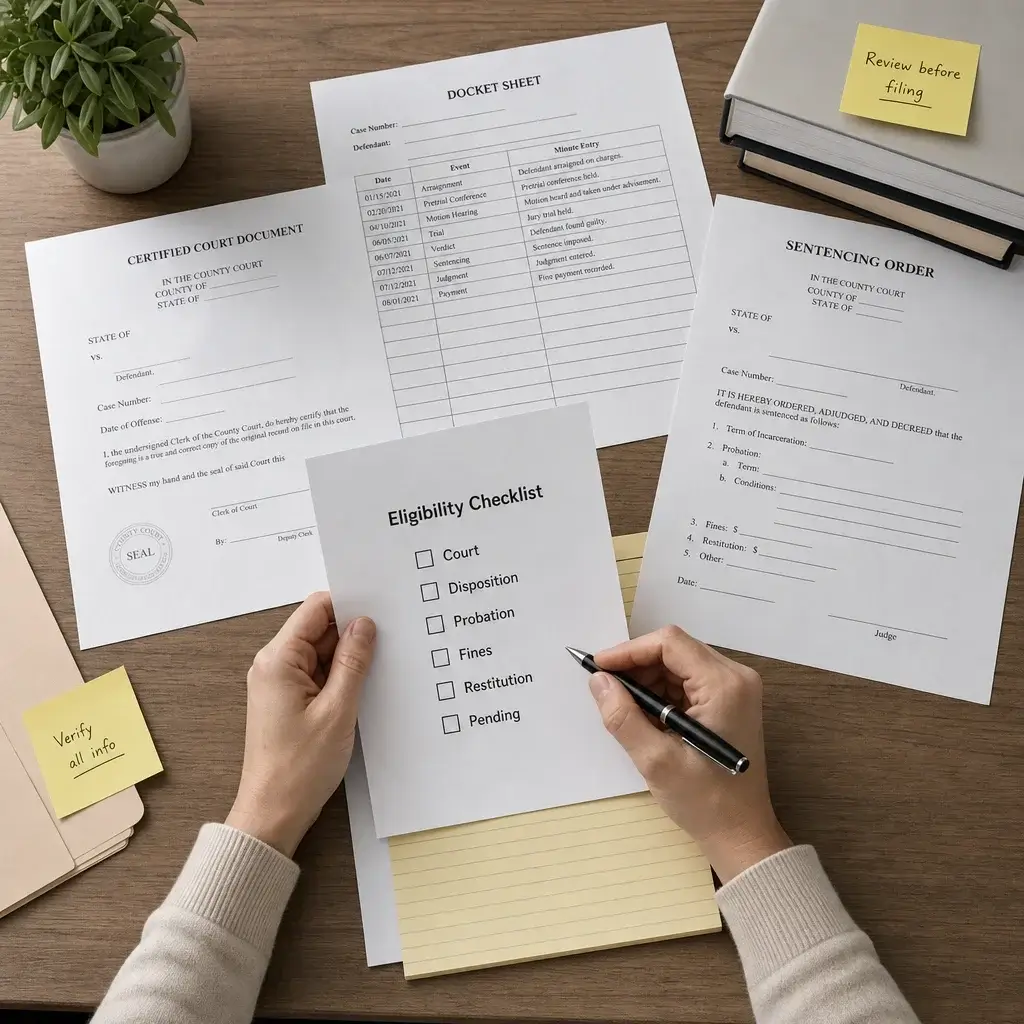
Start with the paperwork because the exact statute, charge level, and final disposition drive the analysis. You should have the complaint or indictment, docket sheet, sentencing or dismissal order, and proof that probation, fines, and restitution are complete.
Then compare those documents against the local court instructions or statute because names like deferred adjudication, supervision, PBJ, and withheld adjudication do not mean the same thing everywhere. I would not rely on memory alone if the case is old or if multiple charges came from one arrest.
A practical eligibility checklist looks like this:
- Identify the exact court and state.
- Confirm the final outcome of every count.
- Check whether the case was marked domestic or violent.
- Confirm whether you entered a guilty or no contest plea.
- Verify that probation, parole, supervision, fines, and restitution are complete.
- Check for any pending charges or later convictions.
- Review same-incident charges that may trigger a unit-rule problem.
- Decide whether the available remedy is expungement, sealing, shielding, or another form of relief.
How to file to expunge or seal a record
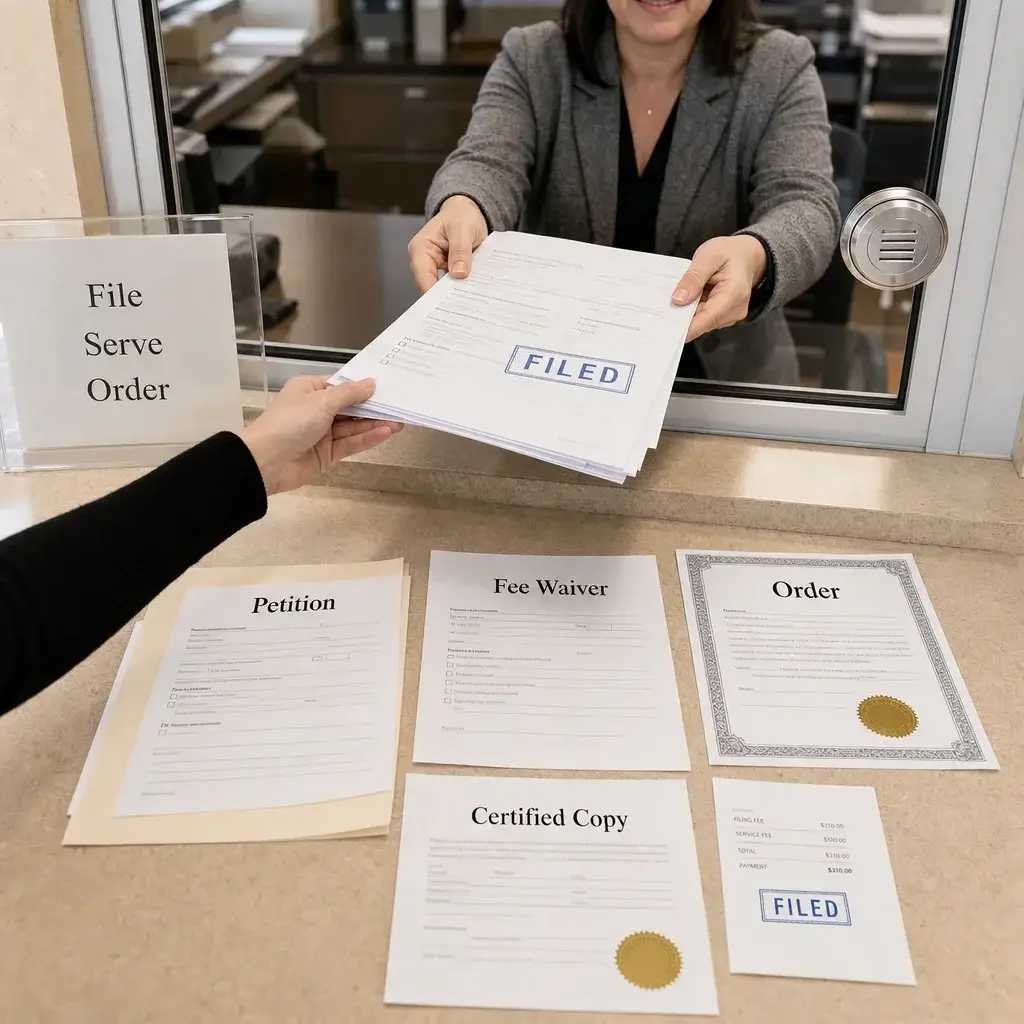
The process usually starts with getting certified or official disposition records because the court needs proof of what happened in the case. After that, you confirm eligibility, identify the right court or agency, complete the petition, attach supporting documents, and pay the filing fee or request a fee waiver. Filing costs can range from $0 with a fee waiver to several hundred dollars depending on the jurisdiction and document needs.
Service rules matter because some courts require you to notify the prosecutor, police agency, or records repository before the judge will act. If a hearing is required, you may need to explain the outcome, show sentence completion, and answer objections about violence level, domestic status, or prior record.
What happens if the prosecutor objects depends on local law because an objection can slow the case, force a hearing, or defeat the petition if the statute bars relief. Even after an order is signed, follow-up may still be needed with repositories or background-check companies so public reporting matches the court record.
State examples users ask about most
There is no safe fifty-state shortcut because Maryland, Massachusetts, DC, Illinois, Michigan, Florida, North Carolina, and other states can use very different rules, waiting periods, and remedy names. Use state-specific court instructions or a lawyer licensed where the case happened rather than importing a rule from a blog about another state.
That matters for searches like how to expunge record in Maryland, how much does it cost to expunge your record in Massachusetts, or whether DC allows felony relief. Those are real questions, but the answers are jurisdiction-specific and should be checked against the current court or statute source.
Canada clarification for mixed-intent searchers
Canada does not generally use the same expungement model as U.S. states because Canadian criminal records are usually addressed through different remedies, including record suspension or pardon concepts. A Canadian assault charge or conviction should be reviewed under Canadian law, not U.S. expungement guides.
A criminal record does not automatically clear after 7 years in Canada just because time passed. That common search phrase mixes up different systems, and the right answer depends on the record type, the outcome, and the Canadian process that applies.
The same caution applies to border travel because a U.S. expungement does not automatically guarantee entry into Canada, and leaving Canada with a live charge raises different legal issues again. If your question is really Canadian, get advice focused on Canadian record and travel rules.
When to speak with a lawyer
Legal help makes the biggest difference when the case involved domestic violence, a conviction, a guilty plea, multiple same-incident charges, a felony, a weapon, serious injury, immigration issues, firearm issues, or an out-of-state or federal record. Those are the files where one wrong assumption can waste time or permanently affect what remedy you ask for.
A case-specific review usually starts with four facts: your state, the exact charge, the final disposition, and whether you pled guilty or completed diversion. If the record is old or unclear, getting the paperwork first is usually the smartest next step. This is general information, not advice for your own file.
FAQ
Can assault and battery charges be expunged if the case was dismissed?
Often yes, dismissed or dropped cases are commonly the strongest candidates for relief, but you still need to check the law where the case ended because dismissal does not always erase the record automatically.
Can I expunge an assault or battery conviction after a guilty plea?
Sometimes, but convictions after guilty or no contest pleas are harder because many jurisdictions impose waiting periods, exclusions, or permanent bars for violent or domestic offences.
What is the difference between sealing and expungement?
Sealing usually limits public access, while expungement may remove or clear the record more fully if local law allows it. Agencies like courts or law enforcement may still keep access under either system.
Does battery show up on a background check?
Yes, uncleared battery records often appear on background checks. Sealed or expunged records may stop appearing in many searches, but old private database entries can lag behind court updates.
How long do I have to wait to expunge an assault or battery case?
The wait can be immediate or more than 20 years depending on the outcome, offence level, and jurisdiction. Dismissed cases may have little or no wait, while convictions commonly require sentence completion first.
Can domestic violence or domestic battery be expunged?
Sometimes, but domestic labels often make relief harder because some states exclude domestic offences or apply stricter rules. Reduced charges and diversion outcomes can change the analysis.
What if my assault charge was reduced to a lesser offence?
That can help because some states focus on the final offence of conviction, not the original charge. It does not guarantee relief if another same-incident count remains ineligible.
Can juvenile assault records be sealed or expunged?
Often they are treated under separate youth-record rules, which can be more favourable in some systems. Serious violence findings may still face limits.
Can a federal assault record be expunged?
Federal records follow different and often narrower rules than state records, so you need a federal-specific review. Do not assume the state expungement process applies to a federal case.
Do I need a lawyer to expunge an assault or battery record?
Not always, but a lawyer is especially useful if the case involved a conviction, domestic violence, multiple charges, a weapon, serious injury, or an unclear old record.
Can I go to Canada if my U.S. record was expunged?
Not automatically. Canada uses its own admissibility rules, and a U.S. expungement order does not guarantee entry.
Does a criminal record clear after 7 years in Canada?
No automatic 7-year wipeout should be assumed. Canadian records follow different rules, and record relief depends on the actual legal process available there.
If you are comparing expungement vs sealing, start with the outcome of the case, not the offence label. The paperwork usually tells you more than the memory of the arrest ever will.