

 Based on 116 Verified Google Reviews

Most people start with the same question: can assault charges be dropped by the victim in Canada? The short answer is no. In Canada, the complainant usually cannot unilaterally end the case. The Crown decides whether to continue, withdraw, or stay the charge, although the complainant’s wishes may still matter.
Quick answer
– A complainant usually cannot personally “drop” an assault charge in Canada. – The Crown prosecutor decides whether the case goes ahead, is withdrawn, or is stayed. – That remains true for simple assault, domestic assault charges in Ontario, and aggravated assault Canada files. – A complainant can share truthful information, explain current wishes, and ask about proper process, but cannot guarantee the case ends. – This is general information, not legal advice on your case.
Quick answer: can assault charges be dropped by the victim?
In Canada, the answer to “can the victim drop assault charges in Canada” is usually no, because criminal charges are prosecuted in the public interest by the state, not owned by the complainant. That means can a victim of assault drop charges, can a person drop assault charges, and can a assault charge be dropped all lead to the same basic point: the complainant can express a view, but does not control the final decision.
Domestic files are usually treated more cautiously than non-domestic files because prosecutors may worry about pressure, fear, reconciliation, or safety. That is why can a domestic assault charge be dropped often has a harder practical answer than a minor non-domestic allegation, even if the partner now wants the case withdrawn.
Who decides whether assault charges are dropped: victim, police, or Crown?
The police lay or investigate charges, the Crown decides whether to prosecute, and the judge decides issues the court has authority to decide. So if you are asking can police press charges without victims consent canada, the practical answer is yes: police and Crown can proceed even if the complainant does not want the case to continue.
The person to contact is usually not “the one who can drop it,” because there often is no single phone call that ends the case. If someone asks who do I call to drop charges against someone, the safer answer is that the complainant can contact the Crown office or Victim/Witness assistance program to share truthful information and current wishes, but the Crown still decides what happens next.
A judge can dismiss charges in some situations, but that is different from a complainant dropping them. A dismissal usually happens through a court ruling after a legal issue, a lack of evidence at a required stage, or a trial result, not because the complainant simply changed their mind.
What “dropped” actually means: withdrawn vs stayed vs dismissed vs acquitted vs recanted
People use “dropped” as a catch-all, but the legal outcome matters because each term means something different. If you are searching can an assault charge be dismissed, can assault charges be dismissed, or assault and battery charges dismissed, these are the distinctions that matter.
| Term | Who does it | What it means | Is the case over? | Record impact |
|---|---|---|---|---|
| Withdrawn | Crown | The prosecution chooses not to continue the charge. | Usually yes. | The charge history may still appear on some records even without a conviction. |
| Stayed | Crown or court, depending on context | The case is paused under a legal stay. | Often over in practice, but not always immediately final. | Record issues still need review. |
| Dismissed | Judge | The court throws out the charge or finds the case cannot proceed. | Yes, subject to appeal rules. | No conviction. |
| Acquitted | Judge after trial | The accused is found not guilty. | Yes, subject to appeal rules. | No conviction. |
| Recanted | Complainant | The complainant changes or pulls back a prior statement. | No, not by itself. | It is not an outcome. |
A stay is not the same as a withdrawal. In some Canadian contexts, a stayed charge may be capable of being revived within up to 1 year, but the exact rule and context should be checked in the applicable jurisdiction. That is why a lawyer will care whether the Crown withdrew the charge, stayed it, or the court dismissed it.
When the Crown may drop or withdraw assault charges
The Crown may withdraw a charge when the evidence is too weak, the public-interest case for continuing is too low, or another lawful resolution fits better. In plain English, when does Crown drop charges often comes down to whether the case can realistically be proven and whether continuing the prosecution serves a real purpose.
Weak evidence is one common reason. That can mean inconsistent witness accounts, major credibility problems, no independent proof, unclear injury evidence, identification problems, or facts that support self-defence. Charter issues can also matter if police conduct created a serious legal problem, but those arguments are fact-specific and not automatic.
The Crown is usually not persuaded by emotion alone. It is more effective to point to legal weakness, evidentiary gaps, reliability concerns, or a practical resolution such as a peace bond where appropriate. That is the real answer behind searches like how do you convince the crown to drop the charges and what reasons cause charges to be dropped.
What evidence is needed for an assault charge, and how weak evidence can lead to withdrawal
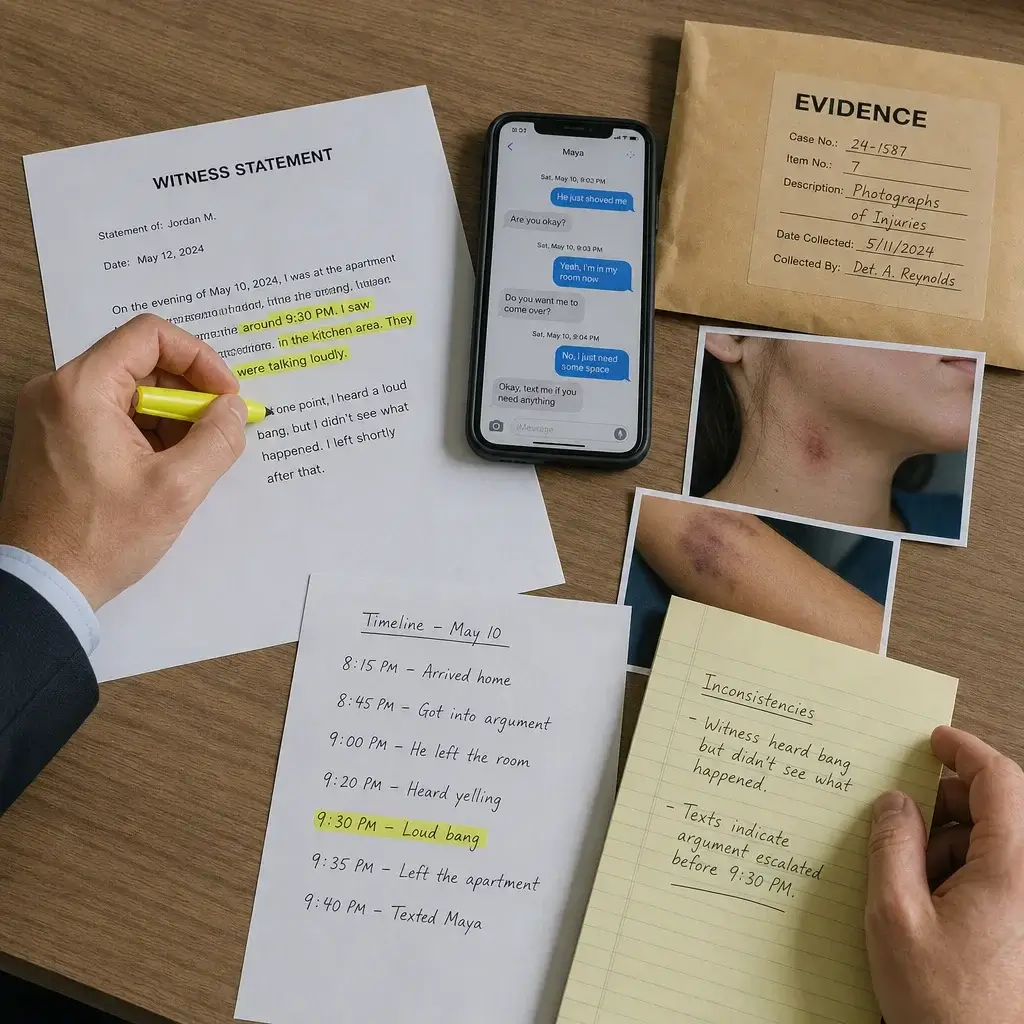
The evidence needed to lay a charge is lower than the evidence needed to prove guilt in court beyond a reasonable doubt. So how much evidence is needed to be charged is not the same question as whether the Crown can ultimately prove the case at trial.
Common assault evidence includes a complainant statement, an accused statement, 911 audio, texts, photos, medical notes, witness accounts, surveillance, and scene evidence. For readers searching what evidence is needed for an assault or what evidence is needed for a battery, that is the usual starting list in a Canadian assault file.
Weakness can appear in several ways. A delayed complaint may have an innocent explanation, but it can still raise reliability issues. Missing photos, conflicting text messages, inconsistent statements, or injuries that do not match the allegation may give the defence grounds to seek withdrawal or push harder for trial.
A defence lawyer usually reviews the full disclosure package, compares each statement, checks video and audio, looks at medical and scene evidence, and tests whether the facts actually match the legal elements of the charge. That is often the first real step in how to get assault charges dropped in Canada.
Can the complainant help get the case dropped? What to do, and what can backfire
A complainant can help the Crown reassess a case by giving truthful, clear, updated information through proper channels. That may include saying they do not want the prosecution to continue, correcting mistakes, explaining safety concerns, or telling the Crown whether they want contact restored through a lawful process.
A letter to the Crown may be read, but it does not force a withdrawal. For anyone searching how to write a letter to the Crown attorney to drop charges Ontario, the safest approach is plain facts only: identify the case, say you want your current wishes noted, explain any correction or concern truthfully, and avoid exaggeration, pressure, or legal conclusions.
Affidavits, revised statements, and recantations can be considered, but they can also raise red flags about pressure or coaching. If the complainant now says the original report was false or mistaken, the Crown may examine why the story changed rather than simply ending the case.
Some conduct can backfire badly. Contacting the accused against a no-contact condition, helping someone breach bail, deleting texts, minimizing facts under pressure, or lying to “help” the accused can create new legal and credibility problems. That is why the proper process matters more than an informal side agreement.
Practical checklist for complainants who want charges dropped or contact restored
- Tell the truth to the Crown and any victim-services worker.
- Ask how to communicate your wishes through the proper office.
- Ask separately about contact restoration if that is your real goal.
- Do not contact the accused if a no-contact term exists.
- Do not destroy texts, photos, or messages.
- Do not sign anything false to “undo” the case.
What if the complainant refuses to testify or changes the story?
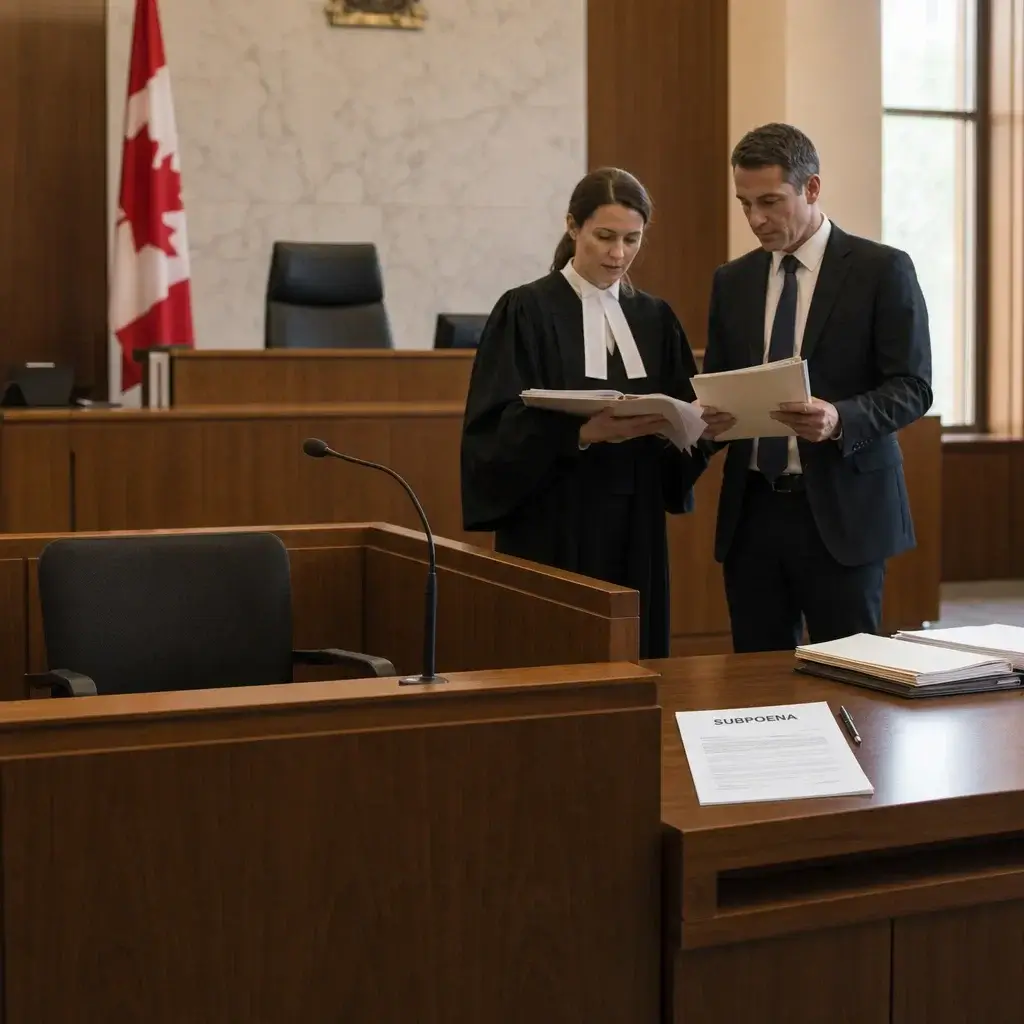
The Crown may still continue without the complainant’s support if there is other admissible evidence. That can include 911 recordings, texts, photos, admissions, witness evidence, medical evidence, or video.
The complainant may also be subpoenaed to attend court. So the answer to does the victim always have to go to court is no, not always, but they can be legally required to attend if the Crown issues a summons or subpoena and the court process requires it.
A recantation does not automatically end the case because prosecutors often look for reasons why the account changed. In domestic files especially, the Crown may consider whether fear, family pressure, finances, immigration issues, or reconciliation influenced the new version.
Prior statements may still matter, but how they can be used depends on Canadian evidence rules and the facts of the case. That is an area where broad internet advice is risky, and the actual defence strategy should come from counsel who has reviewed the disclosure.
Domestic assault: can those charges be dropped if the partner wants them dropped?
Domestic assault charges can be dropped, but not simply because the partner asks for it. The same rule applies to searches like can domestic assault charges be dropped by the victim, can you drop domestic violence charges Ontario, and how to drop domestic assault charges in Canada: the Crown decides.
These cases are often treated more seriously because the Crown may see a risk of repeated violence, coercion, or unsafe reconciliation. The complainant’s wishes may carry less weight where there are injuries, children in the home, prior allegations, weapons, or strong independent evidence.
That is why answers to “Can I drop assault charges against my partner?” “How to drop charges against my boyfriend Canada?” or “I want to drop charges against my husband” need to be careful. A complainant can tell the Crown they do not want the case pursued or want contact restored, but cannot simply cancel the charge or override release terms.
No-contact orders and bail conditions: can the complainant undo them?
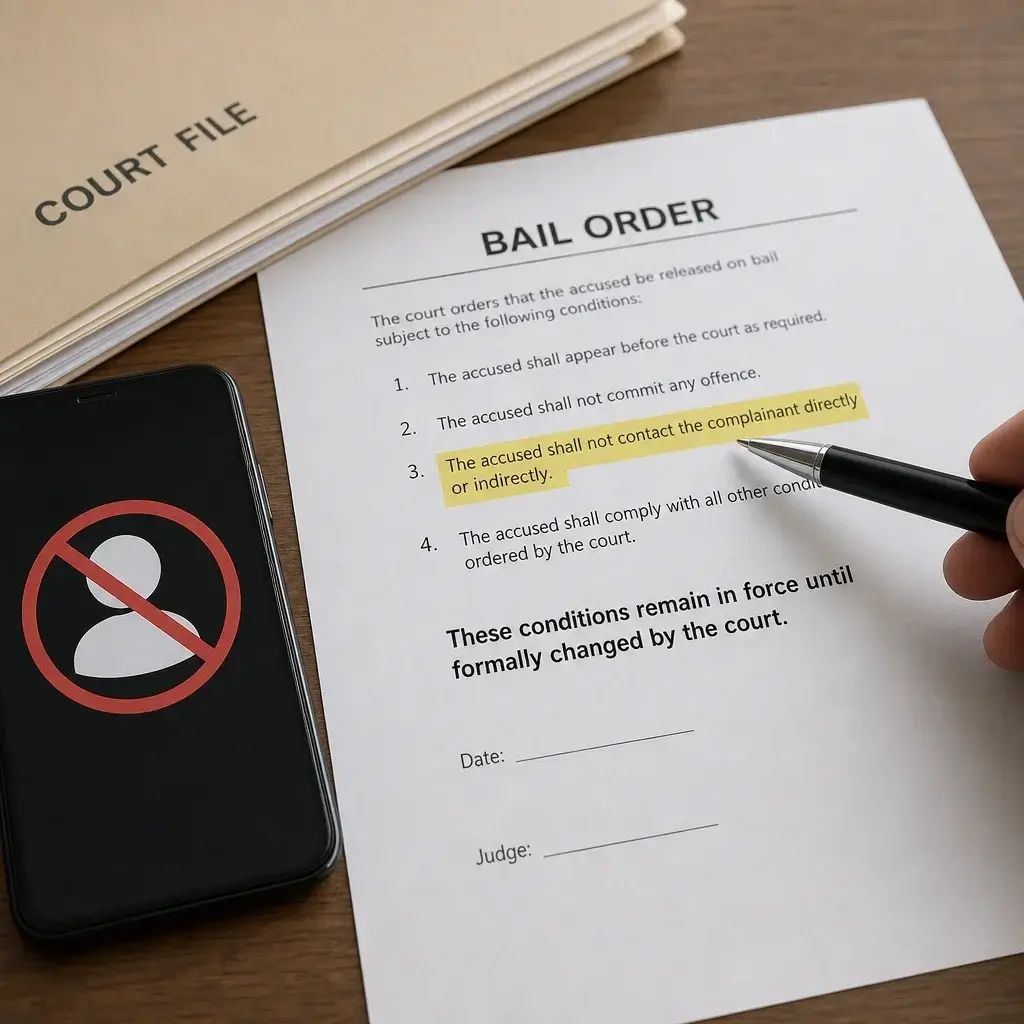
A complainant usually cannot personally cancel a no-contact order, undertaking, recognizance, or bail term. Until a court or proper legal process changes the condition, the accused must obey it exactly.
Restoring contact is a separate issue from withdrawing the charge. Even if the complainant wants the case over, direct contact can still be a new offence or breach if the release terms say no contact, no indirect contact, or no attendance at certain places.
The proper step is usually a bail variation or another formal request through counsel and the court process used in that province. That is why both sides should get guidance before texting, calling, or meeting “just once.”
Can simple assault, common assault, aggravated assault, or weapon-related assault be dropped?
Any assault charge can in theory be withdrawn, stayed, dismissed, or result in an acquittal, but the complainant cannot personally decide that outcome. The real question is how likely the Crown is to continue despite non-cooperation, and that usually changes with the seriousness of the allegation.
| Charge type | Can the complainant drop it? | Can the Crown continue without support? | What makes withdrawal less likely? |
|---|---|---|---|
| Simple or common assault | No. | Sometimes, if other evidence exists. | Strong statements, admissions, witnesses, or video. |
| Domestic assault | No. | Often yes, if safety concerns or other evidence exist. | Prior incidents, children, injuries, pressure concerns. |
| Assault with a weapon | No. | More likely, because public-safety concerns increase. | Weapon evidence, injuries, independent witnesses. |
| Assault causing bodily harm | No. | More likely, especially with medical proof. | Clear bodily harm, photos, records, admissions. |
| Aggravated assault | No. | Very possible, even without support. | Serious wounding, maiming, disfiguring, endangering life. |
For readers searching can a simple assault charge be dropped or can common assault charges be dropped, the answer is yes in the sense that the Crown can withdraw or the court can dismiss, but no in the sense that the complainant cannot order it. For searches like can aggravated assault be dropped, can aggravated assault charges be dropped, can aggravated assault charges be dropped by the victim, or can aggravated assault with a deadly weapon be dropped, the same control rule applies but the Crown is usually under greater public-interest pressure to continue.
What do “assault and battery” and “assault on a female” mean in Canada?
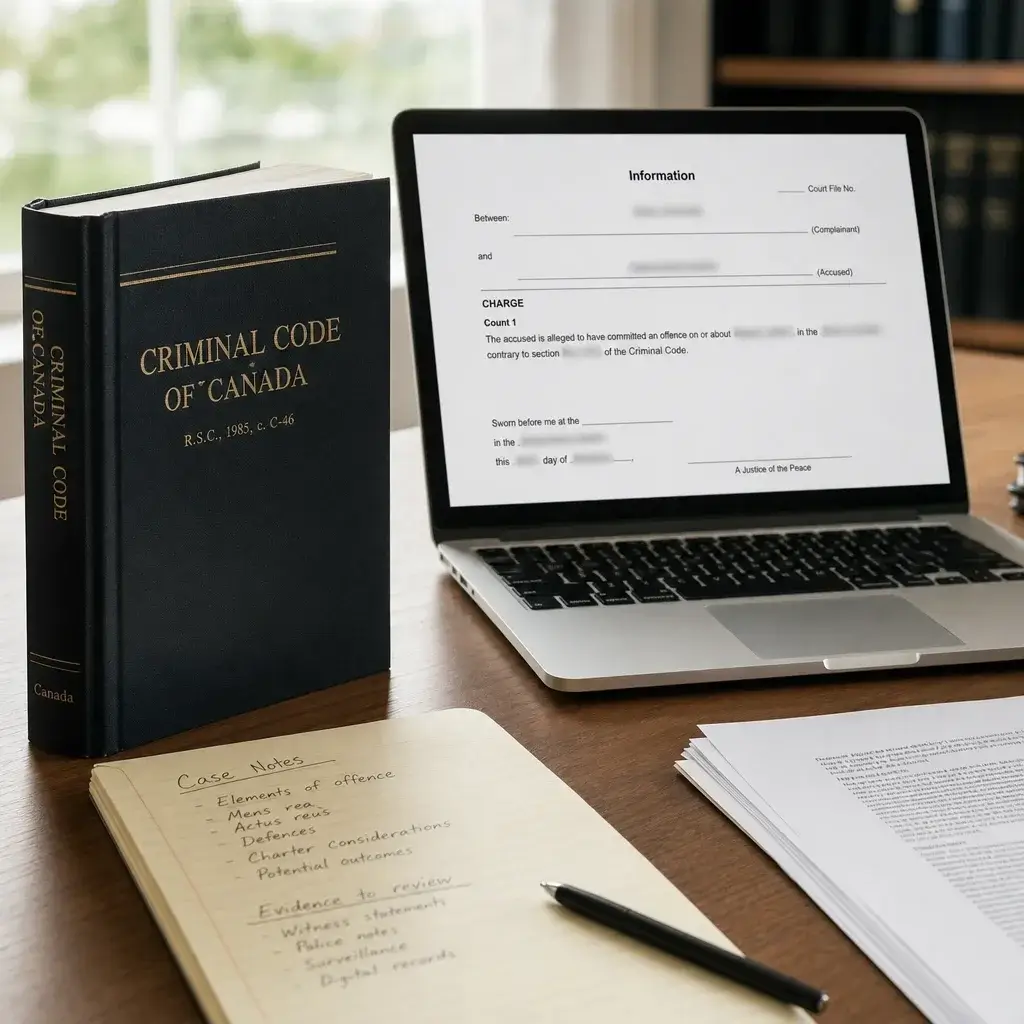
“Assault and battery” is not standard Canadian Criminal Code offence wording in the way many U.S. websites use it. In Canada, the usual offence labels are assault, assault with a weapon, assault causing bodily harm, and aggravated assault.
That means searches like can assault and battery charges be dropped or assault and battery charges dismissed should be translated back into the Canadian offence actually laid. The result still depends on the Crown’s decision, the evidence, and the exact charge on the information.
“Assault on a female” is also not a standard modern Canadian Criminal Code charge label. If someone searches can assault on a female charges be dropped, they are usually talking about an ordinary assault or a domestic assault allegation, and the same Canadian rule applies: the complainant does not control the prosecution.
What does assault CC 266 mean? Common assault and simple assault explained
When people search what does assault CC 266 mean, they are usually referring to the basic Criminal Code assault offence often called simple assault or common assault in everyday language. Section 265 sets out what assault is, and section 266 creates the offence of assault.
“Common assault” and “simple assault” are useful plain-English labels, but they are not always the formal wording you will see on every charging document. In practice, this is usually the lowest level assault people mean when they ask what is the lowest level assault charge or what is the lowest charge for assault.
That does not make it minor in every case. A section 266 assault can still have serious bail, employment, immigration, family, and record consequences, especially in a domestic context. Whether it is withdrawn, resolved, or fought at trial still depends on the evidence and the broader file.
Possible outcomes besides conviction: peace bond, diversion, discharge, withdrawal, or trial
An assault case does not always end in a conviction or a full trial. Depending on the charge, the evidence, the accused’s record, and the province, possible outcomes can include a withdrawal, peace bond, diversion or alternative measures, discharge, or acquittal after trial.
| Outcome | Conviction? | Who must agree? | When it may appear | Practical consequence |
|---|---|---|---|---|
| Withdrawal | No. | Crown. | When evidence or public interest no longer supports prosecution. | Charge ends without conviction. |
| Peace bond | No criminal conviction if resolved that way. | Usually Crown, accused, and court. | Sometimes in lower-level assault matters. | Conditions may apply for up to 12 months. |
| Diversion / alternative measures | Usually no conviction if completed. | Program and Crown approval required. | More often in lower-level, non-domestic files. | Completion can lead to withdrawal or non-prosecution. |
| Discharge | Yes, there is a finding of guilt but no conviction entered if granted. | Court. | Sentencing outcome in eligible cases. | Better than a conviction, but still serious. |
| Acquittal after trial | No. | Judge. | After the Crown fails to prove guilt beyond a reasonable doubt. | No conviction. |
A peace bond can sometimes resolve an assault charge without a conviction, but it is not automatic and may be less available in serious or domestic files. Diversion also depends heavily on local policy and the type of case, so broad promises about eligibility are not reliable.
What is the best defence against an assault charge?
There is no single best defence against an assault charge because the defence depends on the facts, the evidence, and the exact legal elements in dispute. That applies to simple assault, domestic assault, and aggravated assault alike.
Common defence themes include identity, credibility, self-defence, accident, lack of proof, unreliable statements, lawful context, and Charter issues. In an aggravated assault case, injury level, causation, and medical proof usually matter more because the seriousness of the bodily harm becomes central.
The strongest defence is the one supported by the disclosure, not the one that sounds best online. That is why searching how to beat an assault charge in Canada or what is the best defense for assault charges should lead to a careful evidence review, not a stock answer.
What a defence lawyer actually does to try to get assault charges dropped before trial
The real work starts with disclosure. Defence counsel obtains the police file, statements, 911 recordings, body-cam or surveillance if any exists, photos, medical material, and release documents, then checks for contradictions, gaps, and legal issues.
Next comes defence-side evidence gathering. That can include screenshots, phone records, independent witnesses, workplace or building video, medical records, timeline reconstruction, and information relevant to self-defence, identity, or motive to fabricate.
Then the lawyer speaks to the Crown from a position based on evidence, not just requests. The goal may be withdrawal, a peace bond, another non-conviction resolution, or a narrower charge if that is the realistic path. If the case will not resolve fairly, trial preparation starts early.
If you are charged, get legal advice before giving more statements, sending apologies, or trying to “fix” things with the complainant yourself. If you are a complainant trying to restore contact or communicate your wishes safely, use the proper process rather than informal contact. A criminal defence lawyer can review disclosure, approach the Crown through proper channels, and advise whether withdrawal, a peace bond, a bail variation, or trial strategy is realistic on the facts.
Practical checklist for the accused after an assault charge
- Follow every release condition exactly.
- Do not contact the complainant if no-contact terms exist.
- Save texts, emails, screenshots, and videos.
- Write down your timeline while memory is fresh.
- Do not discuss the facts on social media.
- Get legal advice before making further statements.
Will you go to jail for first-time assault in Canada? Sentencing basics for simple, common, and aggravated assault
A first-time assault charge Canada file does not automatically mean jail, especially for a lower-level assault with modest or no injury, but no responsible lawyer should promise the outcome. Sentencing depends on the injuries, criminal record, domestic context, weapon use, breach history, the strength of mitigation, and any aggravating factors.
For basic assault, the maximum sentence on an indictable route can be up to 5 years. For assault with a weapon or assault causing bodily harm, the maximum on an indictable route can be up to 10 years. For aggravated assault, the maximum can be up to 14 years.
Maximums are not predictions. They tell you the ceiling set by law, not the sentence in a typical file. In practical terms, aggravated assault is much more serious than common assault, and the jail risk is materially higher because the injury level and public-safety concern are higher.
If you are searching will I go to jail for first time assault in Canada, what is the punishment for simple assault in Canada, or what is the punishment for aggravated assault in Canada, the honest answer is that jail is possible in some cases and more likely in serious ones, but the real exposure depends on your exact facts, record, and the province’s practice.
What not to say to the judge, Crown, police, or complainant after an assault charge
Do not try to explain the facts casually in court, in the hallway, or by text. Anything you say can complicate the defence, and apologizing can be treated as an admission even if you meant only to calm the situation.
Do not contact the complainant directly or indirectly if your conditions forbid it. That includes asking friends or relatives to pass messages. A breach allegation can become a separate criminal problem even before the assault case is decided.
Do not pressure anyone to change a statement. Do not tell the judge your whole version without legal advice. Do not post about the case online. Respectful silence, full compliance with conditions, and speaking through counsel are usually safer than emotional explanations.
Should you plead guilty or go to trial?
There is no universal answer to is it better to plea or go to trial. The right choice depends on the strength of the Crown’s evidence, available defences, resolution offers, record consequences, immigration or employment impact, and what matters most to the accused person.
Some assault charges are defensible and should be fought. Some are better resolved without trial. A plea entered too early can close off defences, while a trial chosen without understanding the evidence can create avoidable risk.
That decision should be made after disclosure review and legal advice, not from pressure in first appearance court or from general internet comments about whether assault charges are hard to beat.
Key takeaways
- In Canada, the complainant usually cannot directly drop assault charges.
- The Crown, not the victim, decides whether to continue, withdraw, or stay the case.
- Domestic, weapon, bodily-harm, and aggravated files are more likely to continue despite recantation.
- A complainant can share truthful information and current wishes, but cannot guarantee withdrawal.
- No-contact terms stay in force until formally changed by the proper legal process.
- If you are charged, early defence advice matters. If you are a complainant seeking contact restoration, proper process matters just as much.
FAQ
Can the victim drop assault charges in Canada?
Usually no. The complainant can express a view, but the Crown controls whether the prosecution continues.
Can assault charges be dropped by the victim in Canada?
Not unilaterally. The case may be withdrawn, stayed, dismissed, or resolved another way, but that decision is not the complainant’s alone.
Can a domestic assault charge be dropped if the partner wants it dropped?
The partner can tell the Crown their wishes, but domestic assault files often continue despite reconciliation or recantation.
Can the Crown continue an assault case without the victim?
Yes. The Crown may continue if there is other admissible evidence such as 911 audio, photos, texts, witnesses, medical evidence, or admissions.
Does the victim always have to go to court?
No, but the complainant may be subpoenaed and legally required to attend if the Crown decides their evidence is needed.
Can a complainant write a letter to the Crown asking to drop charges in Ontario?
Yes, a complainant can send a truthful letter or communicate through the proper office, but the letter does not force the Crown to withdraw the charge.
Can a no-contact order be removed if the complainant wants contact?
Not by the complainant alone. The condition must be changed through the proper legal process, usually with court involvement.
Can aggravated assault charges be dropped by the victim?
No. As with other assault charges, the complainant does not control the prosecution, and serious injury cases are often harder to withdraw.
Can a simple assault charge be dropped?
Yes, in the sense that the Crown can withdraw it or the court can dismiss it, but no, in the sense that the complainant cannot personally cancel it.
What is the difference between withdrawn, stayed, dismissed, and acquitted?
Withdrawn means the Crown stops the case. Stayed means the case is paused under a legal stay. Dismissed means the court throws it out. Acquitted means not guilty after trial.
The short takeaway is simple. A complainant usually cannot end an assault case alone. The safest next step is to use the proper process early, whether you are charged or trying to communicate your wishes lawfully.