

 Based on 116 Verified Google Reviews

The phrase assault charges sentence leads people in the wrong direction if they expect one standard penalty. Canada does not use U.S.-style assault degrees for these offences, and the result can range from a discharge or probation to real jail, depending on the charge, the injuries, the record, and the facts.
Quick answer: assault charges sentence in Canada at a glance
Assault sentencing in Canada starts with the charge level, not with a fixed jail number. Common assault under Criminal Code s. 266 is the lowest basic assault offence in this group and, if prosecuted by indictment, carries a maximum sentence of 5 years; jail is possible, but not automatic.
Assault with a weapon or assault causing bodily harm under s. 267 is more serious because the Crown alleges either a weapon was used or the injuries crossed the bodily-harm line. If prosecuted by indictment, the maximum is 10 years; if prosecuted summarily, the maximum is 2 years less a day.
Aggravated assault under s. 268 is the most serious non-sexual assault tier in this cluster because it involves wounding, maiming, disfiguring, or endangering life. It is an indictable offence and the maximum sentence is 14 years.
Maximums matter, but they are ceilings, not default sentences. A first-time assault charge Canada case may resolve without jail in some lower-level files, while aggravated assault jail time and aggravated assault prison time become much more realistic once the injuries are severe, a weapon is involved, or the accused has a record.
Assault offences in Canada: the main charge levels explained
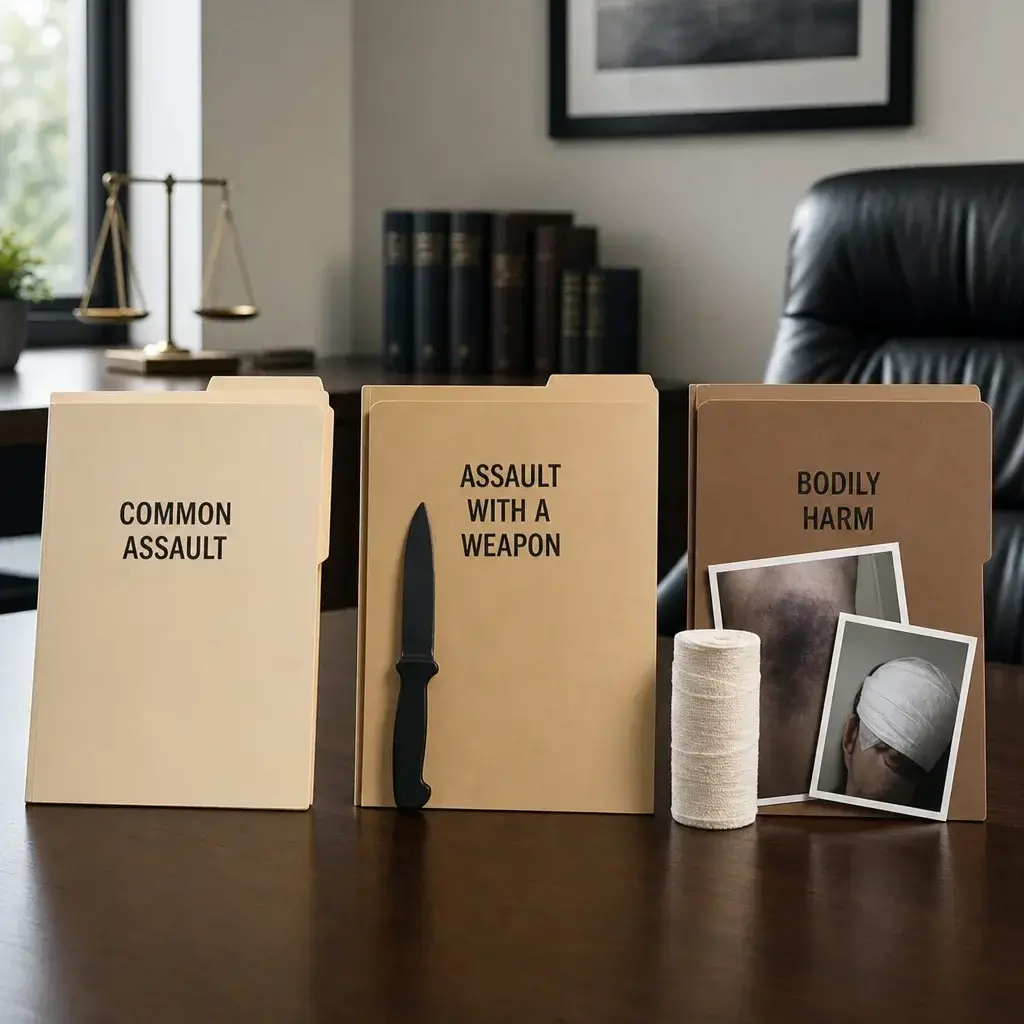
Canadian assault law is built in layers. Section 265 defines assault, while ss. 266, 267, and 268 set out the main offence levels for common assault, assault with a weapon or causing bodily harm, and aggravated assault.
Common assault, sometimes called simple assault, covers intentional force without consent, an attempt or threat to apply force with present ability, and conduct that causes a person to reasonably fear immediate force. Physical contact is not required in every case because s. 265 includes attempts and threatened force in the legal definition.
Assault with a weapon covers assaults where an item is used, carried, or threatened as a weapon. The object does not have to be a gun or knife because an ordinary item can become a weapon if the Crown proves it was used in that way.
Assault causing bodily harm covers assaults that cause bodily harm, which Canadian law generally treats as injury that is more than merely transient or trifling. That line matters because it can move a case from common assault into a more serious offence with a higher maximum sentence.
Aggravated assault Criminal Code cases sit above bodily-harm cases because the harm is much more serious. The statutory language is wounds, maims, disfigures, or endangers the life of the complainant.
Canada does not use “1st degree assault”: how U.S.-style terms map here
Canada generally does not classify these offences as first-, second-, or third-degree assault. If you are searching 1st degree assault jail time, level 1 assault Canada punishment, or what is level 2 assault, you are using U.S.-style search language, not standard Criminal Code terminology.
The rough Canadian mapping is about seriousness, not legal equivalence. Common assault is the lowest seriousness tier in this group, assault with a weapon or causing bodily harm is the middle tier, and aggravated assault is the highest tier in this non-sexual assault cluster.
That mapping is only a search aid. A Canadian court will look to the actual charge under ss. 266, 267, or 268, along with the facts, the Crown election, and the criminal record, not to degree labels.
Comparison table: charge, what the Crown must prove, maximum sentence, and real-world severity
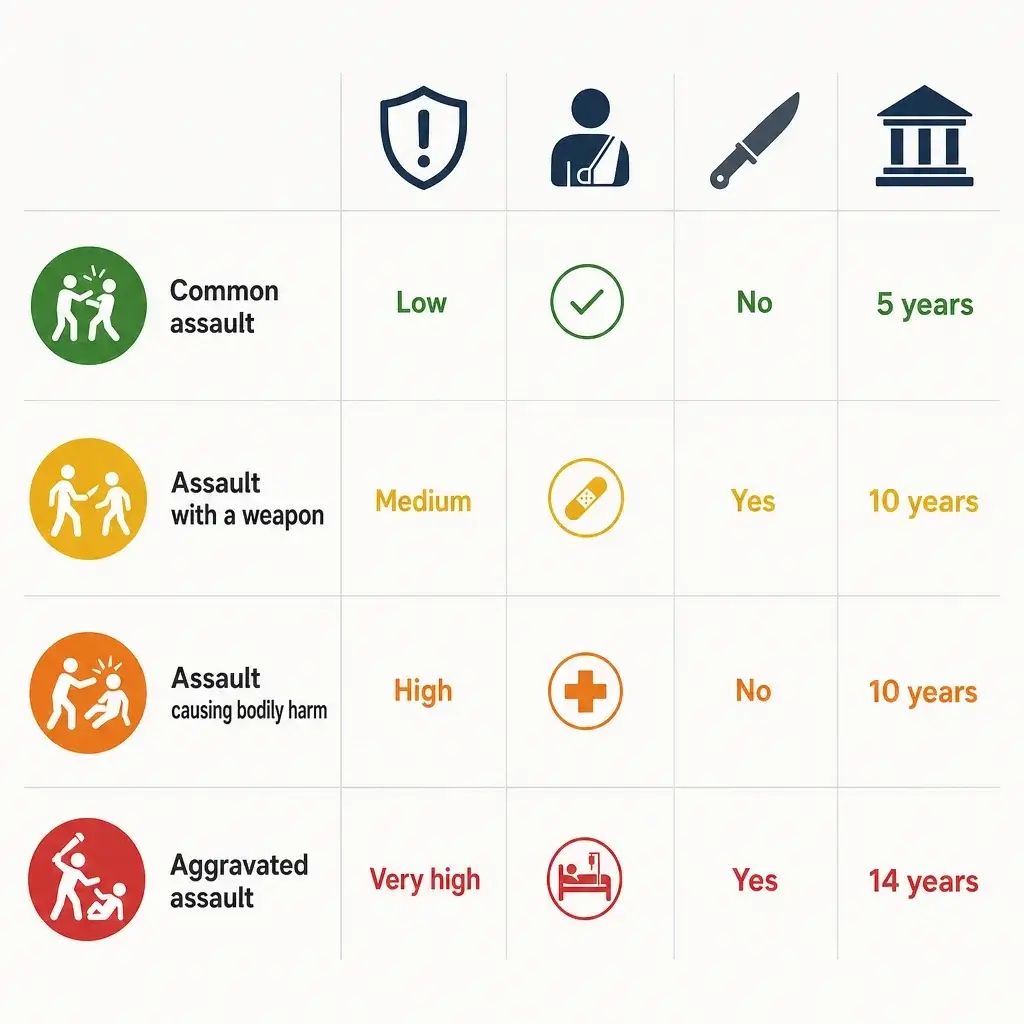
The quickest way to compare charges is to separate legal labels from practical risk. This table shows what the law says and why one allegation is treated as lower or higher on the sentencing scale.
| Offence | Typical conduct | Injury level | Weapon required? | Crown election? | Maximum sentence | First-offence non-custodial result possible? | Criminal record risk |
|---|---|---|---|---|---|---|---|
| Common assault, s. 266 | Pushing, punching, slapping, threat with present ability | No bodily harm required | No | Hybrid | Up to 5 years if indictable | Yes, in some lower-level cases | Yes if convicted |
| Assault with a weapon, s. 267 | Force plus use, carry, or threat of weapon | Injury may be minor or none | Yes | Hybrid | Up to 10 years if indictable; up to 2 years less a day if summary | Sometimes, but custody risk rises | Yes if convicted |
| Assault causing bodily harm, s. 267 | Assault causing more than transient or trifling injury | Bodily harm | No | Hybrid | Up to 10 years if indictable; up to 2 years less a day if summary | Sometimes, but facts matter heavily | Yes if convicted |
| Aggravated assault, s. 268 | Wounding, maiming, disfiguring, or life-endangering violence | Very serious injury | No | Indictable | Up to 14 years | Much harder to argue | Yes if convicted |
What the law says and what judges often do are not the same thing. The maximum sentence sets the outside ceiling, while real sentencing turns on injury severity, the context, weapon use, record, rehabilitation evidence, and whether the case resolves by plea or trial.
Will you go to jail for assault in Canada, especially on a first offence?
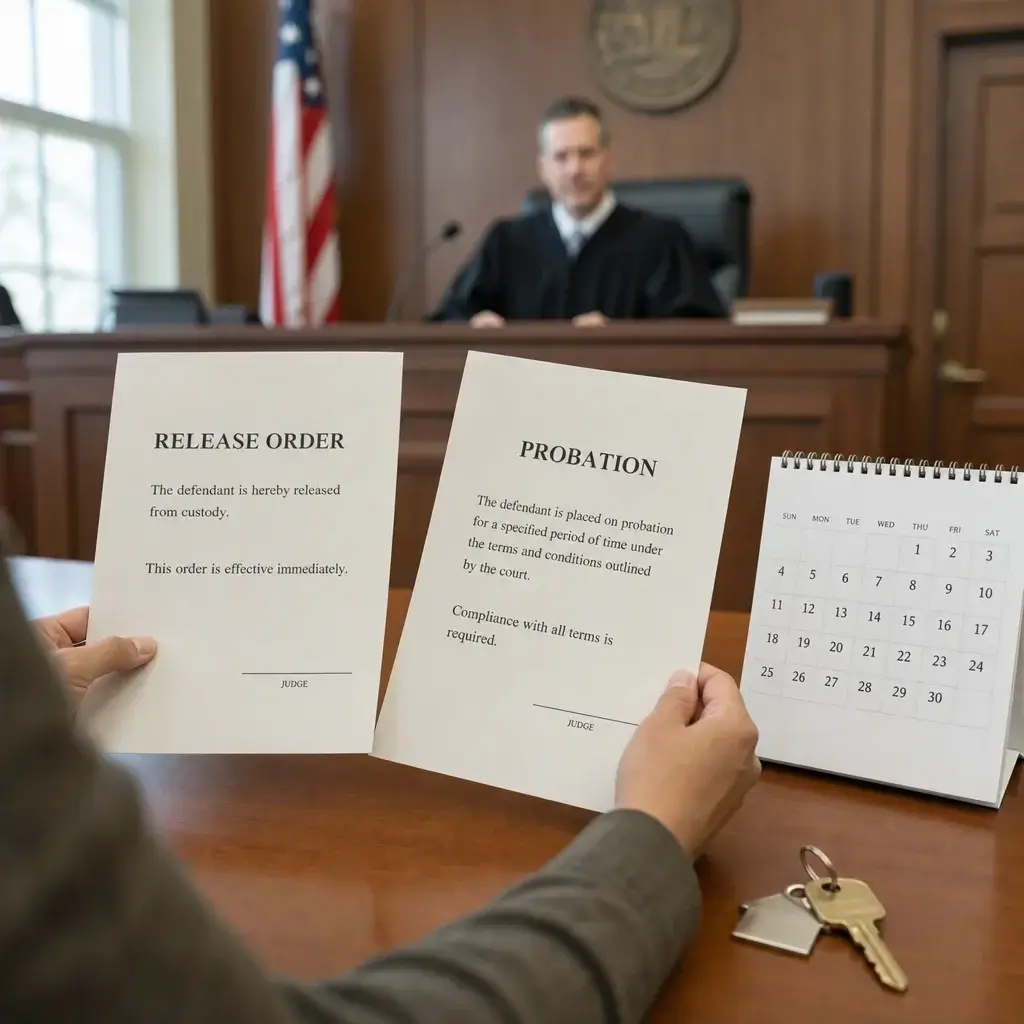
Jail is possible on a first-time assault charge, but it is not automatic in every case. For lower-level common assault with limited or no injury, no record, and strong personal circumstances, a non-custodial result can be argued; for assault with a weapon, assault causing bodily harm, or aggravated assault first offense files, the custody risk rises quickly.
The biggest drivers of assault charges jail time are concrete and predictable. Judges look hard at the seriousness of the injury, weapon use, prior record, breach of bail or probation, intimate partner violence context, vulnerable complainants, group attacks, and any effort to interfere with witnesses or the court process.
Mitigating features can matter, but they do not erase a serious allegation. No record, an early guilty plea, counselling, treatment, employment history, family support, restitution, and a realistic rehabilitation plan can help reduce sentence severity where the facts support it.
Aggravated assault is the charge where first-offender status helps the least. If the Crown proves life-endangering violence, maiming, disfigurement, or wounding under s. 268, real aggravated assault jail time becomes much more likely than in a common assault file.
What are assault fines, restitution, probation, and other penalties besides jail?

An assault sentence is not only about jail. Courts may impose probation, a suspended sentence with probation, a conditional discharge or absolute discharge in limited lower-level cases, a fine in some cases, restitution, no-contact terms, and weapons prohibitions, depending on the offence and the sentence structure.
There is no simple assault fines chart that applies to every case. Fine amounts depend on the offence, the mode of prosecution, the sentence actually imposed, and the accused’s means, so anyone searching assault fines or assault and battery penalty should be careful not to assume a set ticket-like amount exists.
Probation is one of the most common parts of a non-custodial sentence and can last up to 3 years. Typical terms include keep the peace, report to a probation officer, attend counselling, avoid contact with the complainant, stay away from certain places, or follow abstinence conditions if ordered.
Restitution is different from a fine because it is aimed at proven losses, not punishment alone. If the complainant had out-of-pocket losses such as property damage or medical-related expense supported by evidence, the court may consider a restitution order.
Weapons prohibitions can follow assault convictions, especially where a weapon was used or violence was serious. The exact duration depends on the offence and order made, so this is one of those areas where the Criminal Code and the sentence warrant both need close review.
What makes assault become “aggravated”?

Aggravated assault is not just a worse version of common assault in everyday language. Under s. 268, it is an assault that wounds, maims, disfigures, or endangers life.
That means bodily harm and aggravated assault are not the same thing. Bodily harm is a lower legal threshold than wounding, maiming, disfiguring, or endangering life, which is why assault causing bodily harm differs from aggravated assault even though both involve injury.
A weapon is not required for aggravated assault. Severe beating injuries, life-threatening strangulation evidence, or force that causes permanent disfigurement can support aggravated assault even if no separate weapon was used.
Aggravated assault is worse than assault with a weapon in legal seriousness when the injury threshold is met. A knife displayed during a minor confrontation may support a weapon-based charge, while a fists-only attack causing life-endangering brain injury can support aggravated assault.
What counts as bodily harm, a weapon, or a “deadly weapon” in Canada?
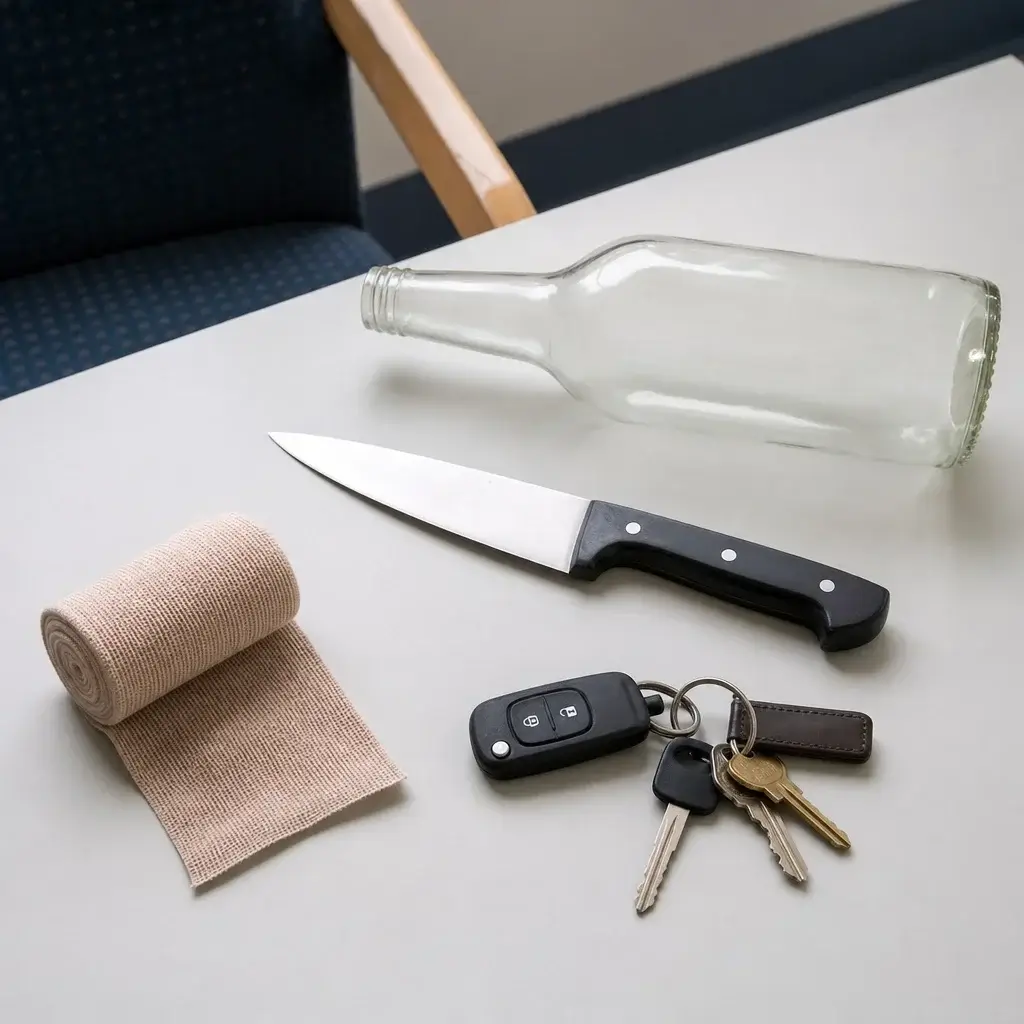
Bodily harm in Canadian criminal law generally means an injury that interferes with health or comfort and is more than merely transient or trifling. Cuts needing stitches, fractures, or prolonged pain can move a file into assault causing bodily harm territory, while very minor momentary pain may not.
A weapon can be almost any object if the Crown proves it was used, carried, or threatened as a weapon in the circumstances. Knives, bottles, tools, chairs, and even a vehicle can become weapons depending on how they were used.
The term deadly weapon is mostly U.S. search language, not a distinct Canadian charge label. In Canada, the legal issue is usually whether the item qualifies as a weapon and how that affected the charge and sentence, not whether it fits a separate deadly-weapon category.
Examples help show the line. A shove with no lasting injury may fit common assault; a bottle used to strike someone may fit assault with a weapon; a punch that breaks an orbital bone may support assault causing bodily harm or aggravated assault; life-endangering stab wounds may support aggravated assault and very high sentencing exposure.
Assault vs battery in Canada: are “assault and battery” separate charges?
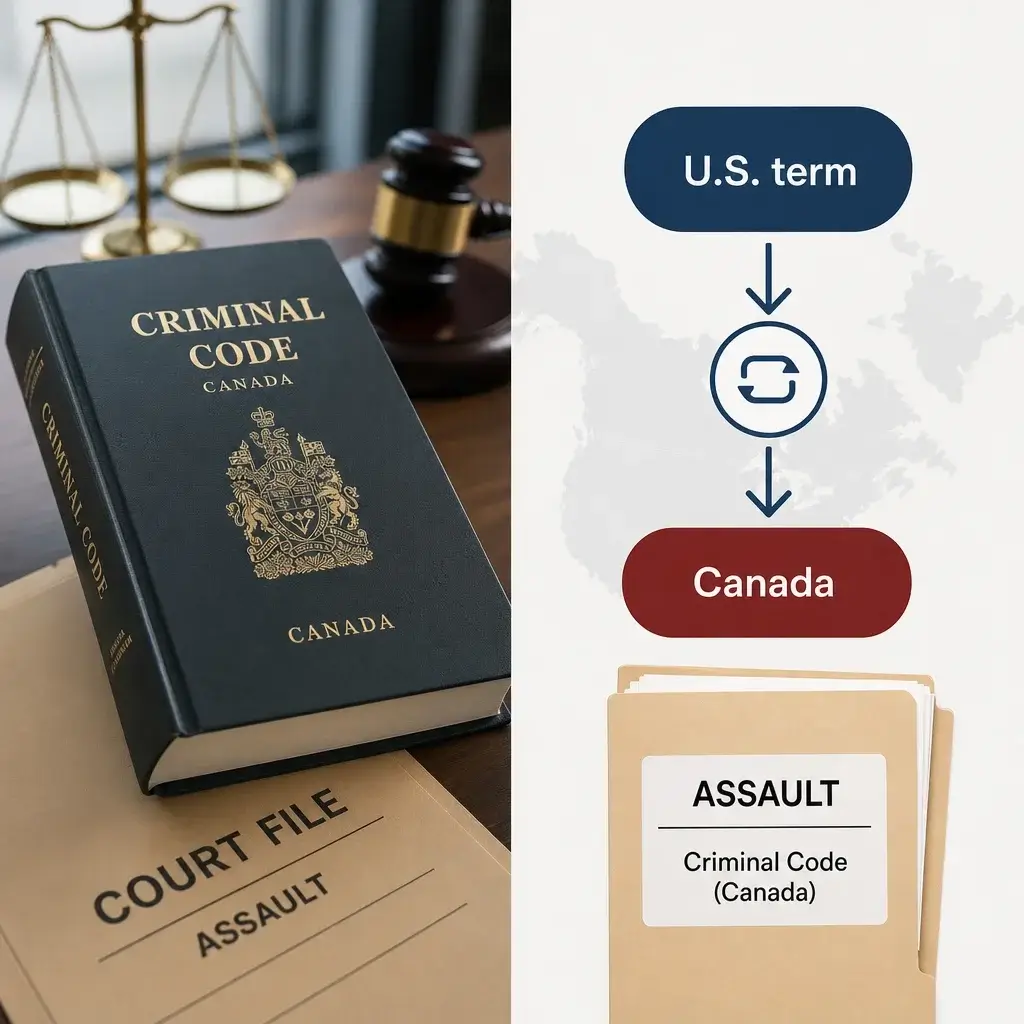
In Canada, battery is not generally a separate Criminal Code offence the way many U.S. readers expect. If someone searches assault and battery charge sentence, assault and battery charges jail time, or assault and battery punishment, they are usually looking for Canadian sentencing on assault offences.
What Americans may call battery is usually charged here as assault, assault with a weapon, assault causing bodily harm, or aggravated assault. The legal label depends on the force, injury, weapon use, and surrounding facts.
Battery vs assault Canada searches are really terminology problems. In Canadian criminal law, assault already covers applied force without consent, so assault and battery jail time is not a separate Canadian sentencing category.
A simple translation table makes this easier:
| U.S. search term | Likely Canadian concept |
|---|---|
| Assault and battery | Assault offence under ss. 265-268 |
| 1st degree assault | Roughly a search for the most serious assault tier, often aggravated assault |
| 2nd or 3rd degree assault | Rough search for mid or lower assault seriousness, depending on facts |
| Deadly weapon assault | Assault with a weapon, or aggravated assault if injuries are severe |
Can assault happen without physical contact or from threats alone?
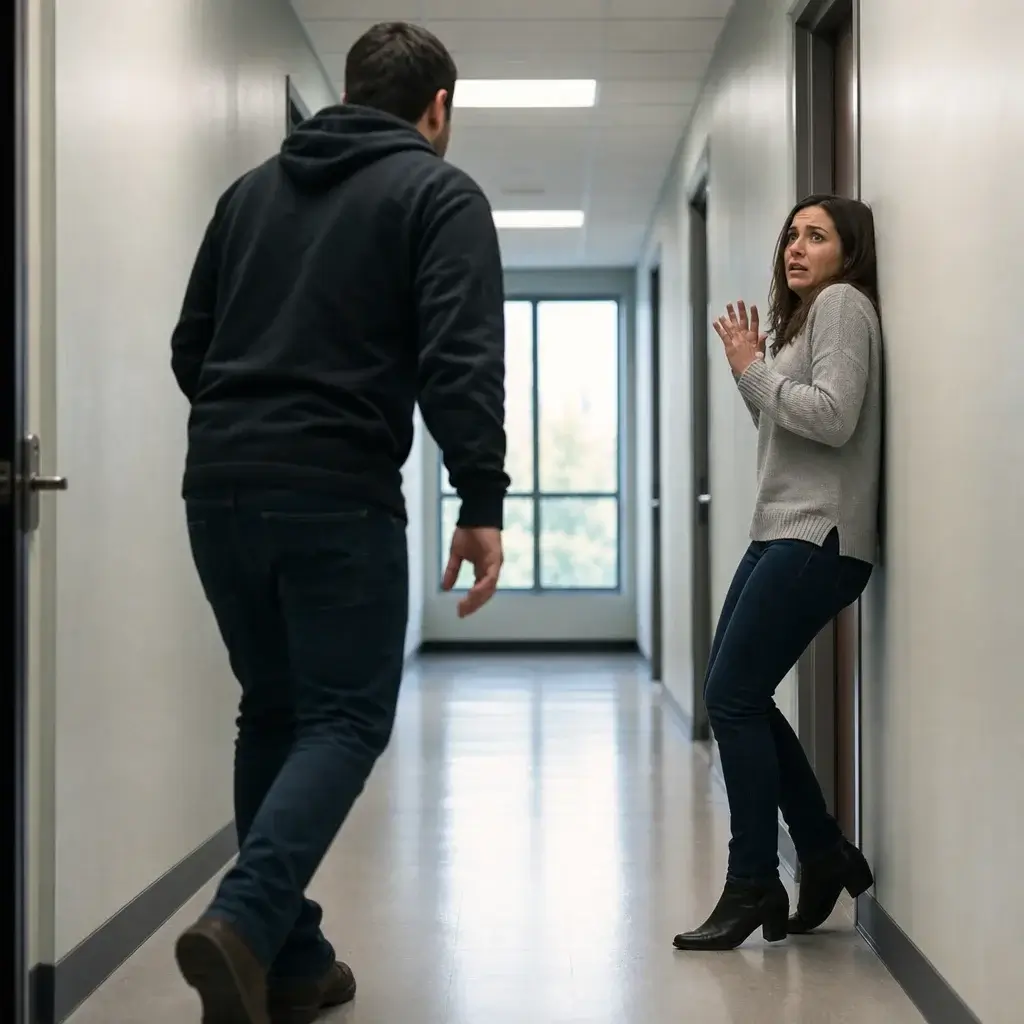
Yes, assault can happen without physical contact. Section 265 includes not only applied force without consent, but also attempts or threats to apply force where the person has, or appears to have, the present ability to carry it out.
A threat alone is not always enough if it is just words with no immediate ability or physical movement behind it. A raised fist while advancing, a swing that misses, or a threat made while brandishing an object can still qualify even if no blow lands.
The practical line is immediacy and reasonable fear of force. Insults or rude messages by themselves may not prove assault, but aggressive conduct combined with present ability can.
Minimum and maximum sentences: what the law says vs what often happens
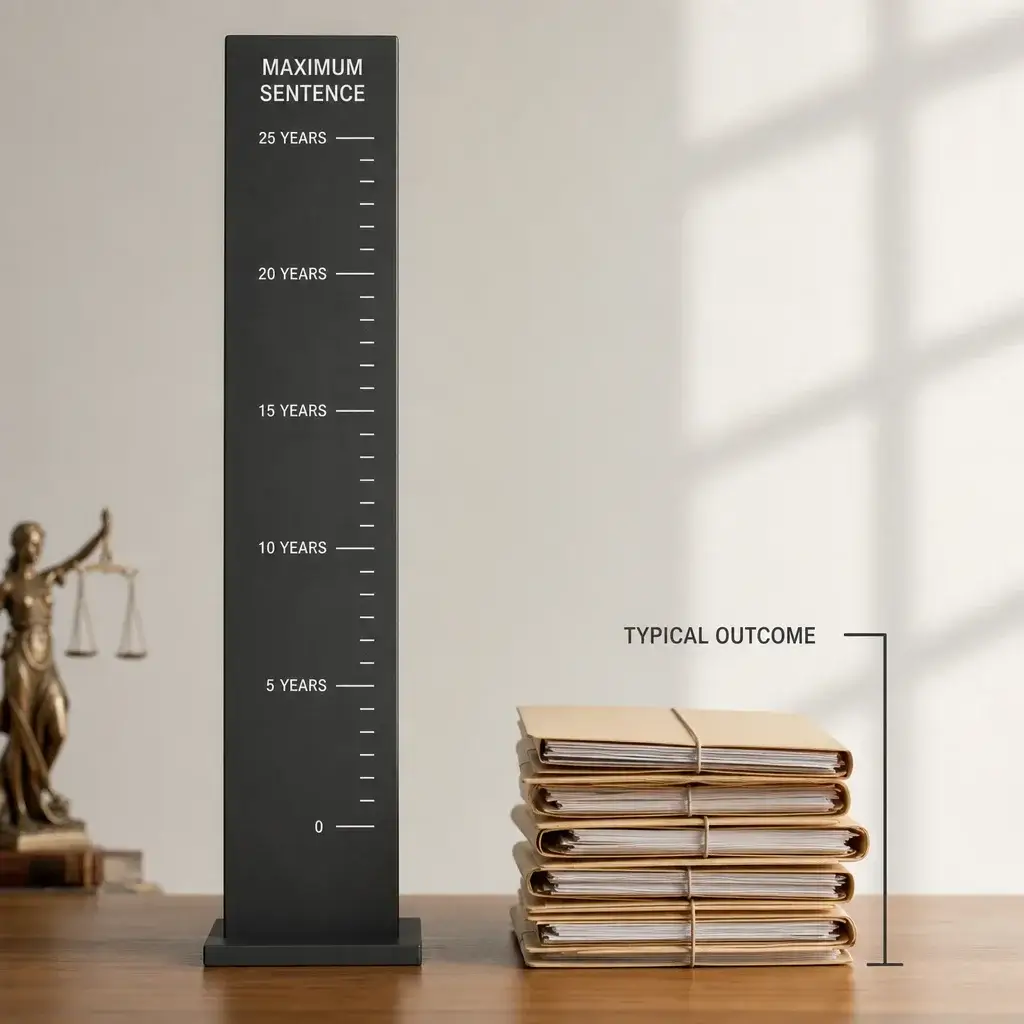
The first point most people miss is that a maximum sentence is not the same as a minimum sentence. For common assault, assault with a weapon, assault causing bodily harm, and aggravated assault, there is generally no universal mandatory minimum jail sentence attached to the basic offences themselves.
The maximum sentences for these offences are fixed in the Code and matter because they show legal seriousness. The key figures are 5 years for common assault by indictment, 10 years for assault with a weapon or causing bodily harm by indictment, and 14 years for aggravated assault.
The practical sentence can land far below the maximum. A lower-level first offence may lead to a non-custodial result, while serious injury, a weapon, domestic context, or a criminal record can make jail much more likely.
This summary keeps the law and practice separate:
| Offence | Mandatory minimum? | Maximum? | Is jail common? |
|---|---|---|---|
| Common assault | No universal minimum | 5 years by indictment | Possible, but not automatic |
| Assault with a weapon | No universal minimum | 10 years by indictment | More common than common assault |
| Assault causing bodily harm | No universal minimum | 10 years by indictment | Depends heavily on injury and record |
| Aggravated assault | No universal minimum for the basic offence | 14 years | Yes, custody risk is high |
Sentencing factors that can increase or reduce jail time
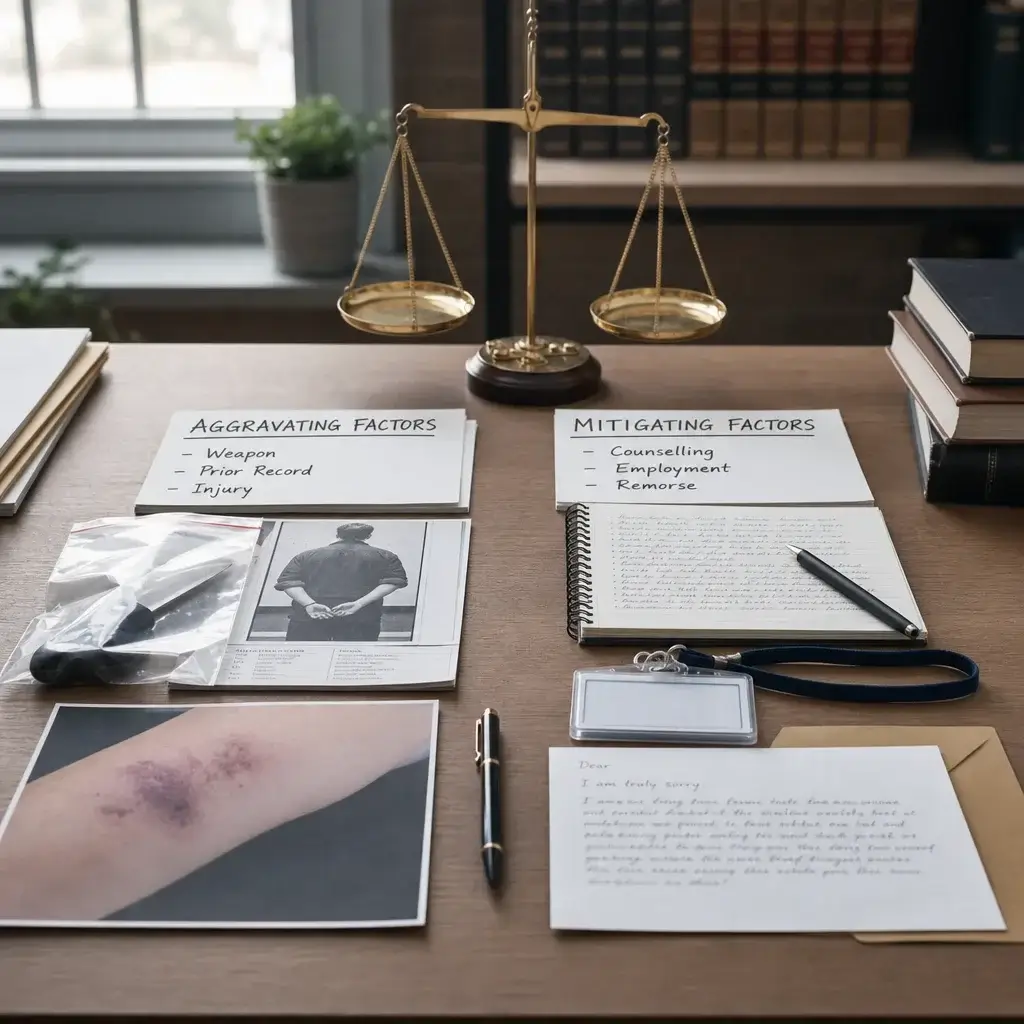
Sentencing turns on aggravating and mitigating factors, not just the section number. The court looks at the harm done, the blameworthiness of the conduct, and the offender’s personal circumstances.
Aggravating factors that can increase assault charges Ontario sentencing include serious injuries, weapon use, repeat violence, intimate partner violence, an attack on a vulnerable person, breaching bail or probation, acting in a group, planning the assault, and trying to pressure a witness after the fact. Those features make assault charges jail time and aggravated assault prison time more likely.
Mitigating factors can lower sentence severity where they are real and supported. No record, an early guilty plea, genuine remorse, counselling, addiction or mental-health treatment, employment, family support, restitution, and a solid release plan can all help.
Gladue principles may also matter for Indigenous accused persons. They do not erase an offence, but they require the court to consider systemic and background factors at sentencing.
Can assault charges be dropped, withdrawn, diverted, or resolved by peace bond?
Yes, some assault cases are resolved without a conviction after trial, but not because the complainant alone “drops the charges.” In Canada, the Crown decides whether to continue, withdraw, resolve by peace bond, offer diversion where available, or accept a plea to a lesser offence.
The main drivers are evidence and public interest. Weak identification, inconsistent statements, self-defence issues, lack of injury proof, video that contradicts a complaint, and first-offender circumstances can all affect whether a charge is reduced, withdrawn, or resolved another way.
A peace bond is not the same as an acquittal, but it can resolve some appropriate lower-level cases without a criminal conviction. Availability depends on the province, the injuries, the domestic context, the record, and Crown policy.
The practical steps after being charged are simple and important. Keep texts, videos, call logs, and screenshots; obey every release term; do not contact the complainant if contact is barred; do not post about the case; and have disclosure reviewed carefully.
What happens after you are charged with assault?

An assault case usually moves through a standard sequence: arrest or a summons, release by police or bail, first appearance, disclosure, Crown election in hybrid cases, negotiations or resolution discussions, and then either plea or trial. The exact path depends on the court, the release status, and how serious the Crown says the case is.
Summary and indictable procedure matter because they affect the maximum sentence and the court process. Common assault and s. 267 charges are hybrid offences, while aggravated assault is indictable.
Pleading guilty does not automatically mean jail, and going to trial does not automatically avoid it. A guilty plea can reduce sentence exposure because it shows acceptance of responsibility and saves court time, but the facts and injury level still control the result.
Release conditions must be followed exactly. A separate breach charge can make the case harder to resolve and can raise sentencing risk even if the original assault allegation is still being contested.
Bail, no-contact orders, and release conditions after an assault charge

Release conditions in assault cases are often strict from day one. Common terms include no contact with the complainant, stay away from a home or workplace, keep the peace, not possess weapons, report to police or a supervisor, and avoid alcohol or drugs where ordered.
Domestic assault allegations often bring the toughest practical conditions. It is common to see no-contact terms and residence restrictions that affect where the accused can live and whether they can see children until the order is changed by the court.
A breach of release is a separate criminal problem. Even if the original assault case is defensible, ignoring a no-contact term or going back to a barred address can create new charges and make the Crown less willing to resolve the case favourably.
Evidence and defences: what the Crown must prove and how assault charges are fought

The Crown must prove the charge beyond a reasonable doubt. In assault cases, that evidence may come from complainant testimony, civilian witnesses, surveillance video, cell phone footage, 911 calls, police observations, medical records, photos, texts, and any statement the accused allegedly made.
There is no single type of evidence required in every file. Some cases turn almost entirely on credibility and reliability, while others rise or fall on video, injury photos, timing records, or inconsistent prior statements.
The strongest defence depends on the facts, so there is no honest one-size-fits-all answer to what is the best defense for assault. Common defences include identity, no assault at all, accident, self-defence, defence of another person, lack of present ability in threat cases, no bodily harm, limited consent issues, Charter issues, and reasonable doubt generally.
Consent has limits as a defence. Canadian law does not treat consent as a free pass to intentional serious hurt in ordinary fights, which is why the exact context and injury evidence matter.
Collateral consequences: criminal record, travel, immigration, work, custody, and firearms
Yes, an assault conviction can give you a criminal record in Canada. That matters even where the sentence is not jail because record consequences can last much longer than the court penalty itself.
Employment and licensing problems can follow because many employers, volunteer organizations, and professional regulators ask about convictions or run police checks. A charge alone is not the same as a conviction, but release conditions and pending court dates can still create practical problems.
Travel and immigration consequences can also follow, especially for non-citizens or anyone who travels to countries with strict border screening. The exact impact depends on the offence, the disposition, and the person’s status, so this is an area where criminal and immigration advice often need to work together.
Family court and firearms issues can become serious side effects of a violence conviction. Even a non-custodial sentence may lead to no-contact issues, parenting disputes, and weapons-related restrictions.
Examples: how sentencing risk changes across common assault, weapon cases, and aggravated assault
Examples show why there is no one assault and battery charge sentence in Canada. The same basic accusation of “assault” can mean very different legal exposure once injuries and weapons are added.
| Scenario | Likely charge level candidates | Sentencing exposure |
|---|---|---|
| Argument outside a bar, one shove, no lasting injury | Common assault | Lower custody risk |
| Domestic allegation, slap and grab, no major injury, strict no-contact order | Common assault, sometimes with strong release consequences | Lower to moderate risk |
| Bottle used during a fight, cuts needing stitches | Assault with a weapon; possibly bodily harm | Moderate to high risk |
| Punch causes broken jaw or orbital fracture | Assault causing bodily harm; possibly aggravated assault depending on facts | High risk |
| Beating or stabbing allegation causing life-endangering injuries | Aggravated assault | Very high custody risk |
These are illustrations, not predictions. The actual charge, whether the Crown proceeds summarily or by indictment in a hybrid case, and the final sentence all depend on the evidence and the accused’s background.
FAQ
Will I go to jail for first-time assault in Canada?
Not always. Jail is possible, but a first offence for lower-level common assault may be resolved without custody, while weapon cases, bodily-harm cases, and aggravated assault carry much higher jail risk.
What is the penalty for assault in Canada?
The penalty depends on the charge. Common assault can lead to a discharge, probation, a fine, or jail, while more serious charges can carry much longer custody exposure. The maximum for common assault by indictment is 5 years.
How much jail time do you get for aggravated assault in Canada?
There is no fixed default jail term. Aggravated assault is an indictable offence with a maximum of 14 years, and real jail exposure depends on the injuries, the facts, and the person’s record.
What is the lowest assault charge in Canada?
In this group, the lowest basic charge is common assault under s. 266.
Can assault charges be dropped in Canada?
They can be withdrawn or resolved other ways in some cases, but the complainant does not control that decision alone. The Crown looks at evidence and public interest.
What happens if I get charged with assault in Canada?
You may be arrested or released to attend court, receive conditions, get disclosure, and then move through resolution discussions or trial. If you are on conditions, follow them exactly.
What is the difference between assault and battery in Canada?
Battery is not usually a separate Criminal Code offence in Canada. Conduct people call battery is usually charged as one of the assault offences.
Does assault give you a criminal record in Canada?
A conviction can. Some lower-level cases may resolve without a conviction, but that depends on the charge, the facts, and the resolution.
How long do you go to jail for assault with a weapon in Canada?
There is no fixed jail term that applies to every case. Assault with a weapon under s. 267 can carry up to 10 years if prosecuted by indictment, but the actual sentence depends on the facts.
Can you plead guilty to assault and avoid jail?
Sometimes, yes. A guilty plea can help on sentence, but it does not guarantee a non-custodial result, especially where injuries, weapons, or a prior record are involved.
When to speak to a criminal defence lawyer
Early advice matters most when the file involves a weapon allegation, bodily harm, aggravated assault, domestic context, release conditions, immigration concerns, or a real risk of jail. Bring your release papers, disclosure, screenshots, video, witness information, and medical records if you have them.
This is general information, not legal advice for your case. If you need to understand charge level, maximum exposure, likely sentencing issues in practice, bail terms, or whether the case may be reduced, withdrawn, or resolved without jail, get the file reviewed early by a criminal defence lawyer who handles assault cases regularly.