

 Based on 116 Verified Google Reviews
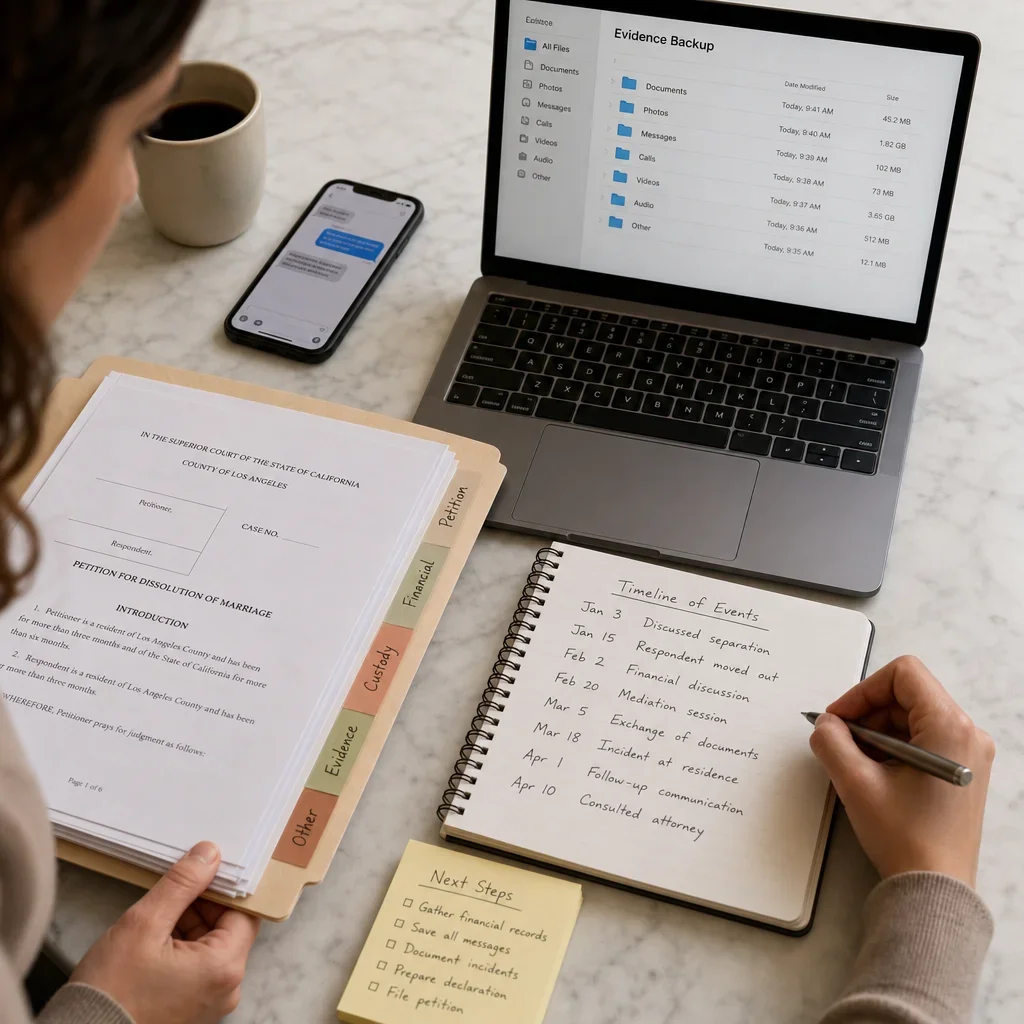
A false domestic assault allegation can still lead to arrest, release conditions, removal from your home, and limits on seeing your children. If you are dealing with domestic assault false allegations, the first job is not proving your point online or to the complainant. It is protecting yourself, preserving evidence, and not making the case worse.
This is general information, not legal advice for your situation. What happens next depends on the facts, your release terms, the evidence, and local court practice.
Risk summary box A false allegation can still trigger a charge, a no-contact order, a non-attendance term, parenting disruption, work problems, and weapon-related restrictions before any trial happens. A charge is not a conviction. But a breach of release can become a second problem fast.
Immediate answer: what to do right now if you are facing domestic assault false allegations
Do not contact the complainant in any way. That includes calls, texts, email, social media, messages through friends, and messages passed through children, because indirect contact can still breach a release order.
Keep every document police gave you and read every line. Release papers usually list exact conditions, a court date, and places you must not attend, and the wording controls what you can and cannot do.
Write a timeline while your memory is fresh. Record dates, times, addresses, who was present, what was said, what you did next, and any photos, messages, receipts, rideshare logs, or cameras that may line up with the alleged incident window.
Preserve your digital evidence in original form. Save full text threads, call logs, voicemails, photos, videos, cloud backups, and account access without deleting, cropping, editing, or renaming files, because metadata can matter later.
Identify witnesses and independent records right away. Neutral evidence like security footage, store receipts, banking activity, work logs, building entry records, and location history can be more persuasive than a later memory fight.
Speak to a criminal defence lawyer quickly before talking to police in detail. I tell people this plainly: even a truthful explanation can lock you into details before disclosure is produced, and that can hurt more than silence.
First 24 hours checklist
- Stop all direct and indirect contact.
- Save your release papers and court date.
- Arrange lawful alternate housing if required.
- Back up your phone and cloud accounts.
- Export or preserve full message threads.
- Write your timeline from start to finish.
- List witnesses and third-party records.
- Do not post about the case online.
- Do not delete messages or ask others to intervene.
First 7 days checklist
- Review every release condition with counsel.
- Ask counsel about disclosure and next steps.
- Preserve CCTV before it is overwritten, if available.
- Collect receipts, calendars, work records, and travel logs.
- Flag parenting, housing, firearm, immigration, or job issues early.
- Arrange any property pickup only through lawful channels.
- Keep a dated log of anything that happens after release.
What can happen even if the allegation is false
Police can still arrest or charge based on a complaint, witness accounts, injuries, 911 material, or perceived safety concerns, even when you say the allegation is false. A charge only means the case has entered the court process. It is not proof of guilt.
Release conditions in domestic cases often start immediately and can be strict. Common terms include no direct or indirect contact, no attendance at the home, workplace, or school, reporting obligations, and no weapons, but the exact terms depend on the case and the order wording.
The fallout can begin before any trial. People can lose access to their home, miss contact with children, face workplace discipline, and struggle with shared bills, vehicles, pets, or medications because the release order controls daily life first.
First 24 hours and first 7 days: the action plan competitors miss
The first job after false allegations made against me is damage control, not persuasion. If police told you not to return home, do not test the boundary because the complainant later texted, called, or invited you back. Complainant consent does not cancel a court order unless the order itself allows contact.
Your phone is evidence storage, not something to clean up. Preserve the device, charger, passcodes, app access, cloud backups, and account history because deleted data, changed usernames, and missing threads can create avoidable credibility fights.
Shared homes create practical problems that need lawful solutions. Clothing, medication, keys, work tools, and documents should be retrieved only through a method allowed by police, release terms, or counsel-arranged access, not by showing up unannounced.
Shared digital life creates hidden breach risks. Streaming profiles, smart-home devices, shared photo albums, family calendars, and banking alerts can become indirect communication channels if they are used to send a message or monitor the complainant.
The first week should shift from reaction to structure. That means organizing evidence, preserving records held by third parties, planning for parenting exchanges lawfully, and making sure work, immigration, travel, or licensing issues are flagged early.
How to preserve evidence without making things worse
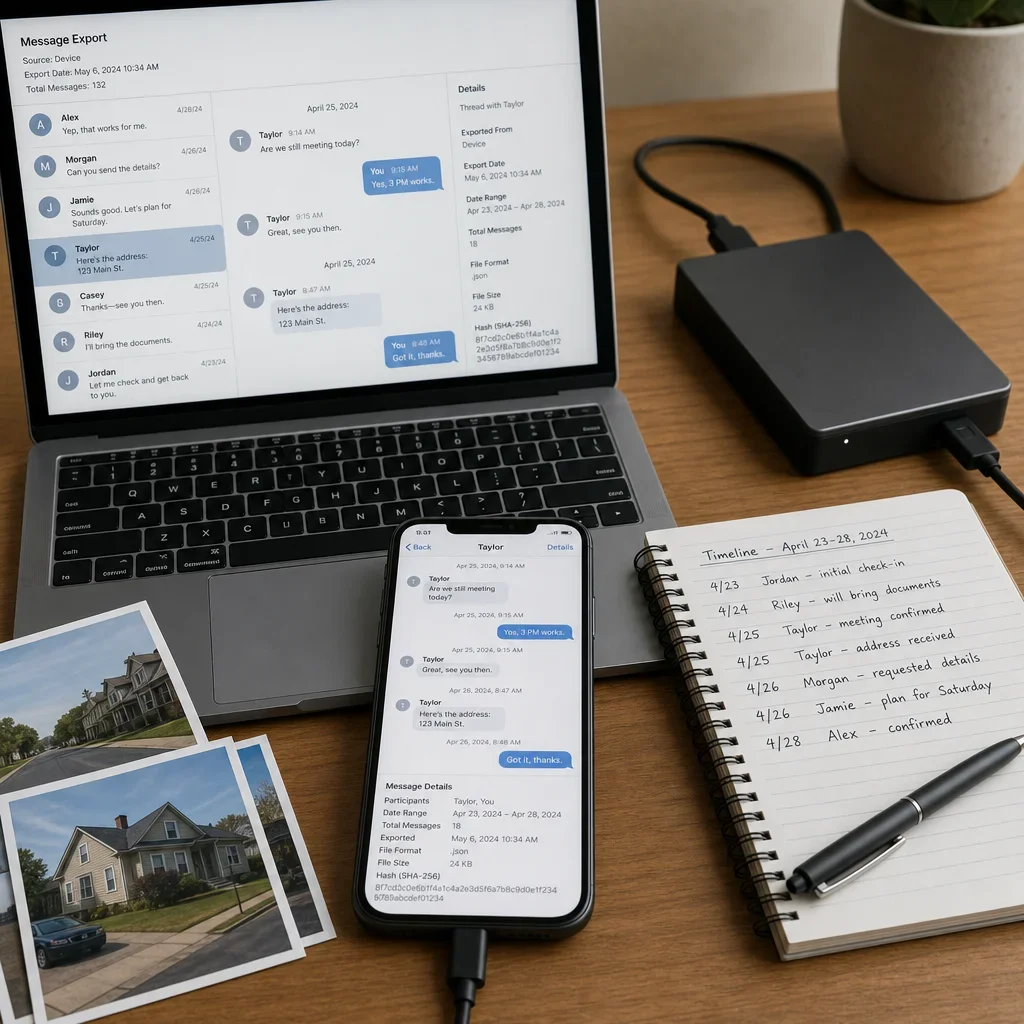
The best evidence in a false allegations of domestic violence case is usually independent and time-stamped. Full message histories, call logs, voicemails, photos, videos, receipts, entry records, rideshare history, banking activity, calendars, and CCTV can support or contradict a timeline.
Original files matter more than polished screenshots. Keep the complete thread where possible, preserve the device, and back up the account because metadata like date, time, sender, file creation, and location context can help authenticate what happened.
Selective editing can damage your own case. Cropping out surrounding messages, forwarding content across apps, renaming files, or deleting unrelated material can create arguments that the record is incomplete or altered.
A working chronology is how to prove a false allegation in real life. Put messages, movements, witness observations, receipts, and photos into one dated sequence so your lawyer can compare them against the allegation and the disclosure.
911 audio, medical records, police notes, and witness statements are not usually things you collect yourself from the prosecution file. Those materials are generally sought through the criminal process as disclosure, and strategy about them should be lawyer-led.
Evidence preservation checklist
- Full text and app message threads, not just excerpts.
- Call logs, voicemails, and contact history.
- Photos and videos in original format.
- Device backups and cloud backups.
- Receipts, banking records, and transaction logs.
- Rideshare, delivery, transit, and parking history.
- Work schedules, swipe access, and time records.
- Calendar entries and travel bookings.
- CCTV leads and witness names.
- A written timeline created immediately.
How to challenge credibility: timelines, metadata, and inconsistency
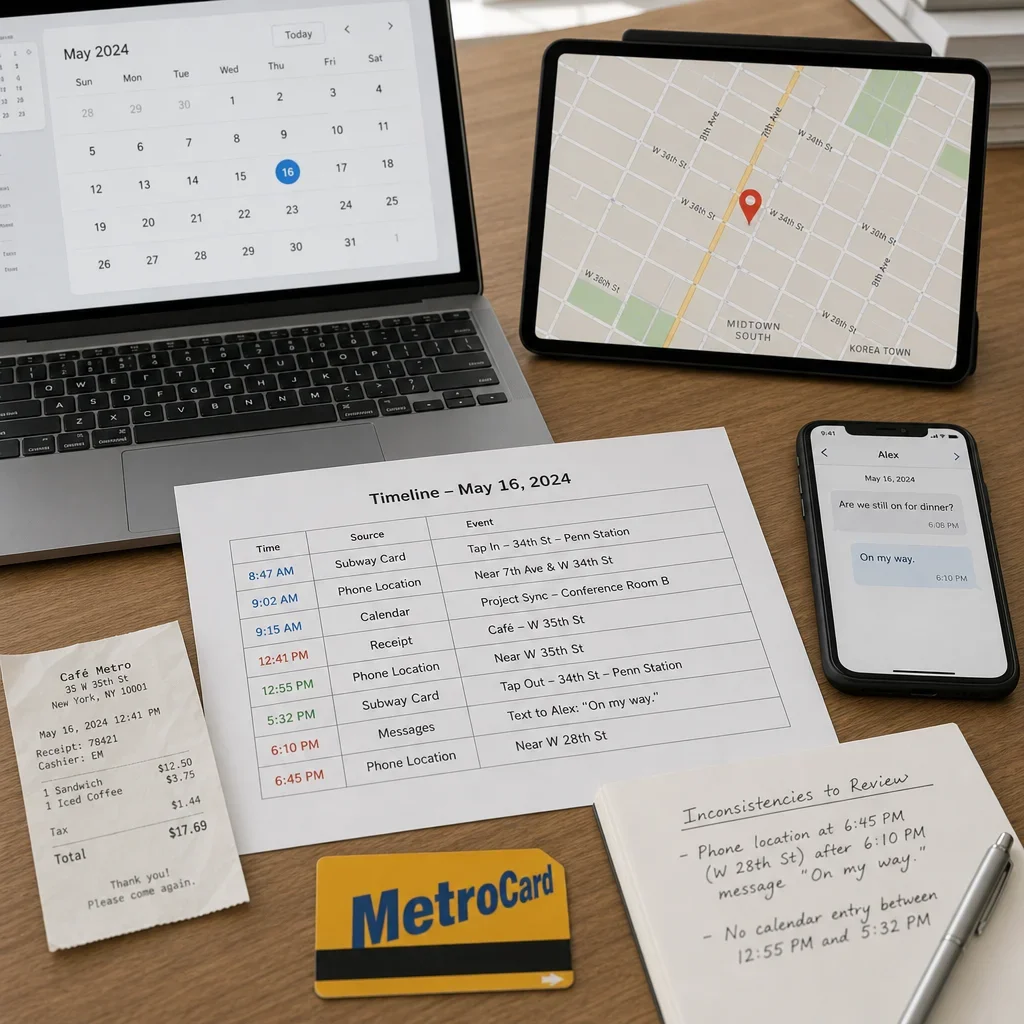
False domestic assault allegations are usually tested through inconsistency and contradiction, not through one dramatic reveal. The defence may focus on impossible timing, conflicting statements, message tone that does not fit the alleged event, or independent records that place people elsewhere.
Signs of a false accusation in court are not a legal checklist. They can include changing details, contradictions between platforms, family-court claims that do not match criminal statements, or allegations of injury that do not line up with photos, witnesses, or medical context.
Independent records usually carry the most weight. Location history, building access logs, store transactions, school records, and third-party observations can challenge memory-based evidence because they are generated outside the conflict.
An allegation being unproven is not the same as proving the complainant knowingly lied. That distinction matters because defending the assault charge only requires raising reasonable doubt, while any separate false-report allegation would require proof of intentional deception.
Police interviews, the right to silence, and disclosure in practical terms
If police want your version, you do not improve your position just by speaking fast. In Canada, a person under investigation or arrest has the right to silence, and there is usually real value in getting legal advice before deciding whether to give a statement.
Truthful people still get into trouble in interviews. Stress, guessing at times, filling gaps, and reacting to selective facts can create statements that the Crown later compares against texts, 911 audio, bodycam, or witness evidence.
Disclosure is the package of information the prosecution may provide about the case. It can include police notes, witness statements, 911 recordings, photos, videos, recordings, and other relevant materials, although exact timing and scope depend on the case and the process.
Strategy about whether to speak is individual, not generic. I would never tell someone online to always talk or always stay silent on a live case, because that decision depends on the allegation, the evidence you already have, and what risks a statement could create.
Bail and release conditions: what they mean and how accidental breaches happen
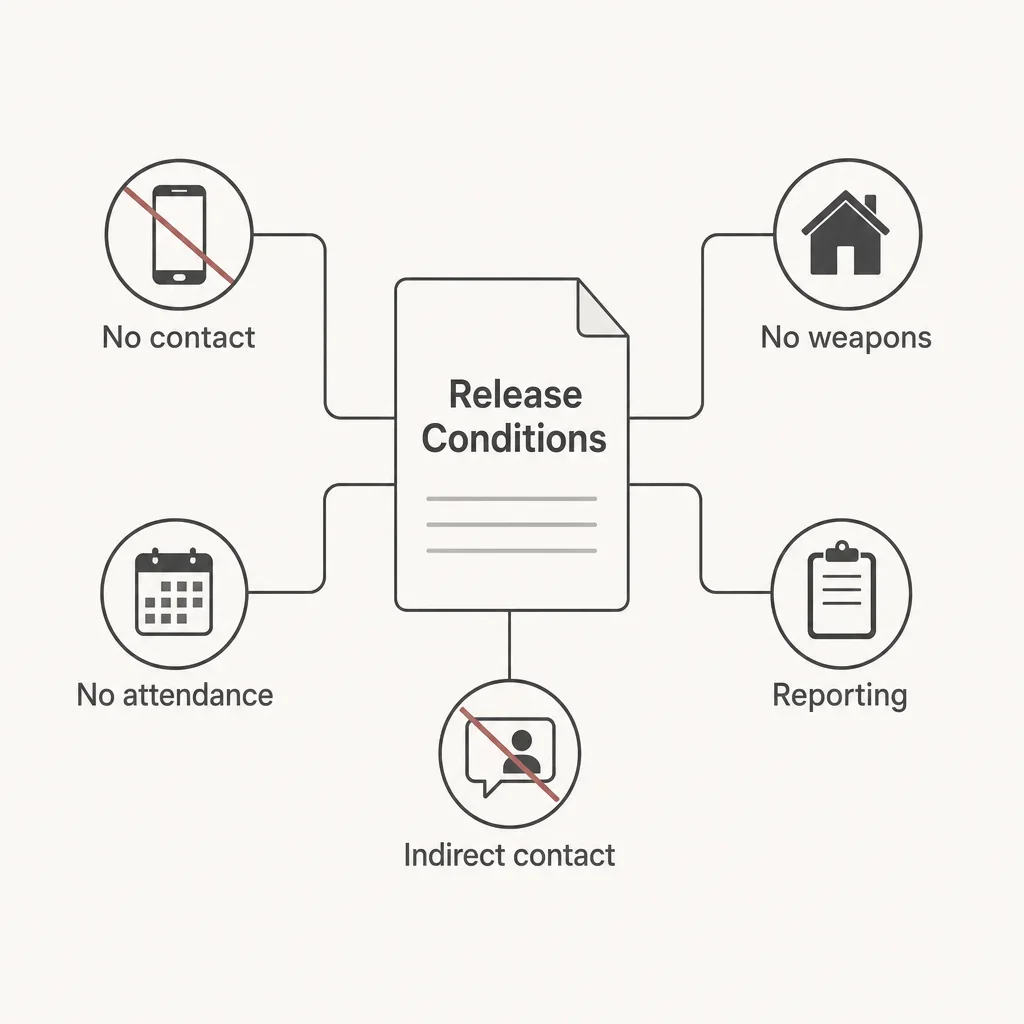
A no-contact condition usually means exactly what it says. No direct or indirect contact can include messages through friends, children, relatives, social media, shared accounts, or any other channel used to communicate.
A non-attendance condition usually bars specific places named in the order. That can include the home, a workplace, a school, or another address linked to the complainant, and going there for a practical reason is still risky unless the order clearly permits it.
The most common accidental breaches happen when people treat the order like a relationship rule instead of a court rule. Replying because the complainant reached out first, attending the home to collect belongings, or discussing logistics through a child can still become allegations of breach.
Read exceptions with care. If contact for parenting, counsel-to-counsel arrangements, or property retrieval is allowed, the exception must usually be written into the release terms, not assumed from a verbal conversation.
Common release conditions and accidental breach examples
| Condition | What it usually means | Common accidental breach risk |
|---|---|---|
| No direct contact | No calls, texts, emails, DMs, notes, or in-person contact | Replying “just once” after the complainant texts first |
| No indirect contact | No messages through third parties or children | Asking a friend or family member to pass along an apology or request |
| Non-attendance at home | Do not go to the residence named in the order | Returning for clothes, tools, or documents without lawful arrangement |
| Non-attendance at work or school | Stay away from listed locations | Showing up for a routine pickup or meeting not authorized by the order |
| No weapons | Do not possess weapons covered by the order | Keeping items the order requires surrendered or removed |
| Reporting or attendance terms | Follow check-in, court, or paperwork requirements | Missing a reporting date or misunderstanding who must be notified |
If children are involved: custody, parenting time, and living in the same home

Criminal court and family court are separate systems with different jobs. Criminal court decides whether the prosecution can prove an offence beyond a reasonable doubt, while family court focuses on parenting and the child’s best interests using a different legal framework.
A domestic allegation can affect parenting time fast, even before the criminal case ends. Temporary restrictions, third-party exchanges, supervised time, or communication through approved channels can appear quickly when safety concerns are raised.
Children should never be used as messengers. Telling a child to relay pickup details, apologies, or complaints can create both parenting problems and release-condition problems.
If you and the complainant lived together, the housing issue and the parenting issue must be separated carefully. Your need for clothing, work tools, medication, or child items does not override a non-attendance order, and any access plan should be built lawfully through counsel or another authorized route.
Criminal court vs family court
| Issue | Criminal court | Family court |
|---|---|---|
| Main purpose | Decides criminal liability for alleged offences | Decides parenting, decision-making, support, and related family issues |
| Standard/process | Crown must prove the charge beyond a reasonable doubt | Court applies family-law standards focused on the child’s best interests |
| Immediate impact | Bail or release conditions can restrict contact and attendance | Temporary parenting arrangements can change before criminal charges are resolved |
| Control of case | Prosecuted by the Crown, not the complainant personally | Brought by the parties in family proceedings |
| Key risk | Breach of release conditions creates new criminal exposure | Informal communication or conflict can affect parenting orders and credibility |
Can the complainant drop the charge? Withdrawal, stay, peace bond, and diversion
In Ontario, the complainant does not personally control the prosecution once charges are laid. The Crown decides whether to continue, withdraw, stay, or resolve a case, although the complainant’s views may still affect the evidence picture.
A recantation does not automatically end the case. If the complainant changes the story, the Crown may still look at 911 audio, photos, witness accounts, police observations, prior statements, and the reason for the change.
A withdrawal ends the charge. A stay pauses the prosecution and can have specific legal effects. A peace bond is a separate recognizance in some cases, and diversion is not standard in every domestic file. Availability depends on the facts, the record, the local Crown position, and the public-interest assessment.
Will a charge be withdrawn automatically if the allegation is false? No. The case ends only if the Crown decides the legal test is not met or the court resolves it after process, and that takes evidence, not just assertion.
Can false reporting be a crime? Public mischief and the limits of that idea
Knowingly making a false report to police can itself be a criminal matter in Canada. Public mischief is addressed in section 140 of the Criminal Code.
The maximum penalty for public mischief is imprisonment for a term of not more than five years if prosecuted by indictment.
Proving public mischief is harder than defending the assault case. Showing that the Crown cannot prove assault is not the same as proving the complainant knowingly made a false report to police.
Evidence that may matter in a false-report prosecution includes fabricated screenshots, forged messages, admissions, impossible timelines, or other proof of intentional deception. Mere inconsistency, confusion, or an unproven allegation may not be enough.
Can I charge someone for making false accusations? Not personally. A police service and Crown would decide whether any separate offence is investigated or prosecuted, and that is usually not the main defence strategy in the assault case.
Possible penalties if the domestic assault charge proceeds
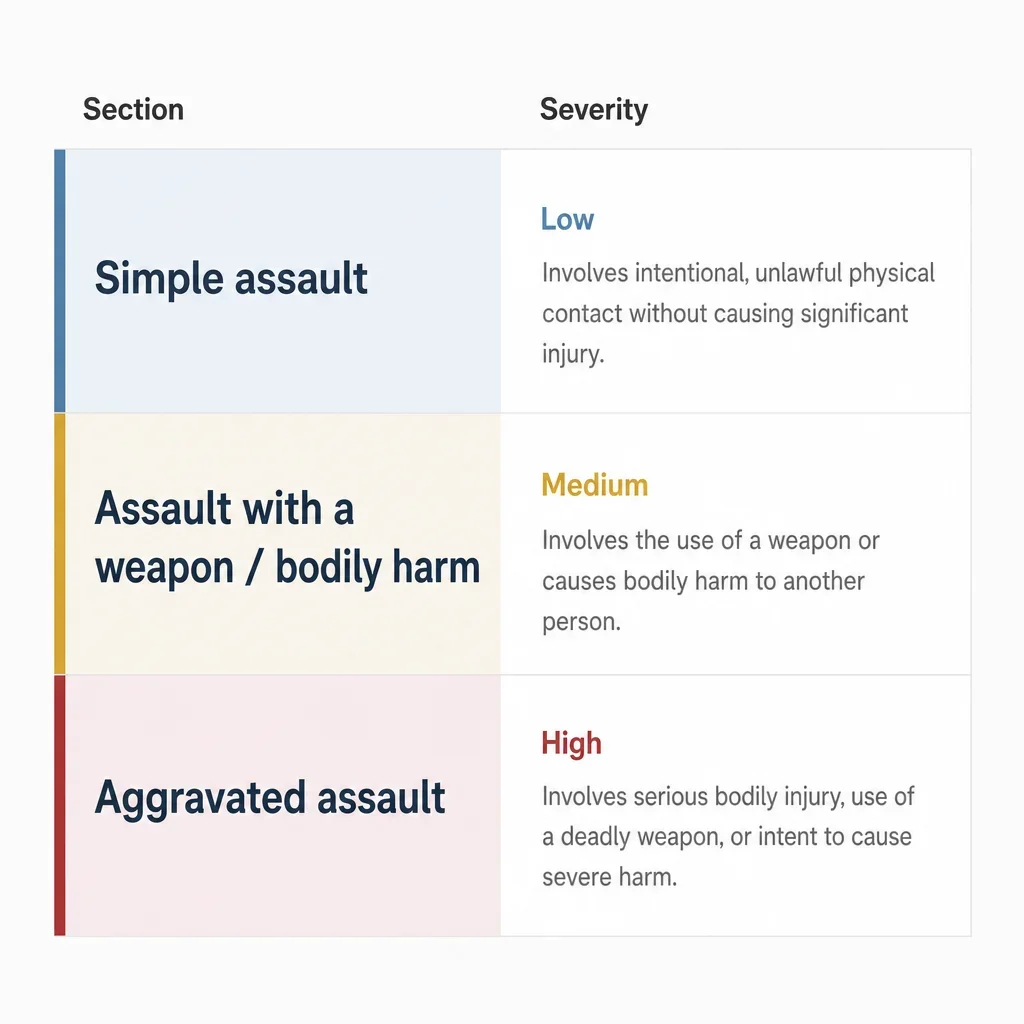
Domestic assault is usually a description of context, not a separate Criminal Code offence label. The charge often proceeds under general assault provisions, with the domestic relationship affecting bail, prosecution policy, and sentence risk.
Simple assault is covered by section 266 of the Criminal Code. Assault with a weapon or causing bodily harm is covered by section 267, and aggravated assault is covered by section 268.
The maximum penalty for simple assault is less serious than for assault causing bodily harm or aggravated assault, but actual exposure depends on the charge wording, prior record, injuries alleged, mode of prosecution, and the facts the Crown can prove. I cannot give a live case-specific sentencing prediction here.
High-level assault charge categories
| Charge category | Criminal Code section | High-level description |
|---|---|---|
| Simple assault | s. 266 | Alleged intentional force or threatened force without consent |
| Assault with a weapon / causing bodily harm | s. 267 | Alleged weapon use, bodily harm, or both |
| Aggravated assault | s. 268 | Alleged wounding, maiming, disfiguring, or endangering life |
Work, firearms, immigration, travel, and reputation fallout
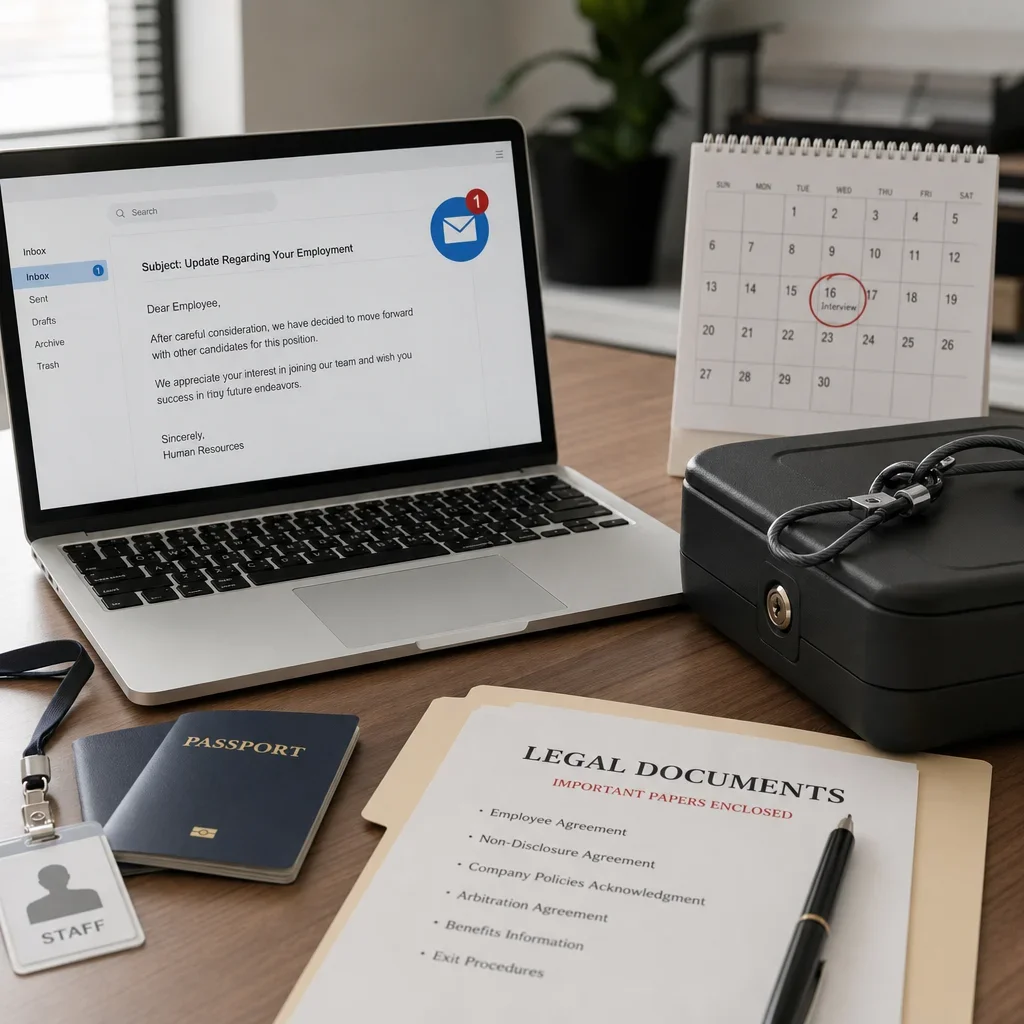
A domestic allegation can affect much more than court dates. Employment, professional licensing, building access, security clearance, travel, immigration status, firearms access, and shared housing can all be affected before the charge is resolved.
Firearm and weapon issues should be raised early. Some release orders include no-weapons terms, and people with licences, hunting use, collection issues, or work-related access need lawyer-guided planning immediately.
Immigration and travel concerns need early attention too. Even without giving immigration advice here, I can say safely that charges, conditions, and admissions can create complications, so counsel should know about status, sponsorship, permits, and planned travel from the start.
Trauma from being falsely accused is real and practical, even if the charge is later withdrawn or stayed. Document workplace fallout, housing loss, parenting disruption, and mental-health effects, and avoid public retaliation that creates fresh evidence against you.
Can you sue for false allegations of domestic violence?
A civil lawsuit is possible in some cases, but it is not automatic, cheap, or quick. People often ask about defamation when facing false allegations of domestic violence, yet success depends on proof, damages, privilege issues, timing, and whether the claim is worth the cost.
Statements made in legal proceedings can attract special protections that complicate civil claims. That is one reason civil action is usually a later discussion, not the first move while you are defending criminal and family consequences.
Can you sue for false allegations of domestic violence? Sometimes, but the better first question is whether doing so helps or hurts your immediate criminal and family position. That needs advice on your facts, not a generic internet answer.
Why false allegations may happen without overclaiming
False allegations of domestic violence can arise from separation conflict, parenting disputes, revenge, leverage, intoxication, misunderstanding, memory error, or mental-health issues, but no single motive should be assumed from the start.
Some allegations are true, some are unproven, and some may be false. A defence strategy should stay evidence-based and careful, because attacking every complainant as malicious is both inaccurate and usually unhelpful.
The better focus is not guessing motive first. It is testing timelines, preserving records, and comparing the allegation against independent evidence. That is what courts can actually use.
When to call a lawyer and what to bring to the first consultation
Call a criminal defence lawyer as soon as police contact you, you are arrested, you are released on conditions, or parenting issues start colliding with the criminal case. Early help matters because release compliance, evidence preservation, and disclosure strategy are front-end problems.
Bring every paper you have. That includes release documents, charge papers, your next court date, a written timeline, witness names, screenshots, phone access, relevant passwords, and any family-court or child-protection materials.
Bring the collateral issues too. Employment rules, licensing concerns, firearm access, immigration status, travel plans, housing problems, and shared-finance issues can shape defence planning from day one.
If you are in Ontario and facing what to do if someone falsely accuses you of assault in Canada, get advice before you try to fix it yourself. A calm, early review usually helps more than a late explanation after a breach, a bad statement, or lost evidence. Free consultations may be available for private-retainer matters.
FAQ
What should I do first if I am falsely accused of domestic assault in Ontario?
Stop all contact, keep your paperwork, preserve evidence, write a timeline, and speak to a criminal defence lawyer quickly. Do not try to solve it privately with the complainant.
Can I be arrested even if the domestic assault allegation is false?
Yes. Police can still arrest or charge based on the complaint and other evidence they consider relevant at the time. A charge is not a conviction.
Should I contact the complainant to clear things up?
No. That can create new evidence against you or lead to a breach allegation if there is a no-contact term.
Can the complainant drop the charge?
Not personally. Once charges are laid, the Crown controls the prosecution decision.
Will the charge be withdrawn if the allegation is false?
Not automatically. The case turns on evidence, disclosure, Crown review, and sometimes trial process.
How do I prove a false allegation?
Usually through contradiction, not accusation. Timelines, message history, metadata, receipts, witnesses, and location records are often central.
What evidence should I save right away?
Save full messages, call logs, photos, videos, backups, receipts, calendars, work records, and names of witnesses or camera sources. Preserve originals where possible.
What if we have children together?
Do not use children to communicate. Criminal conditions and family arrangements may both apply, and they need coordinated handling.
What if I am not allowed to return home?
Do not attend the property unless your order clearly permits it or counsel arranges a lawful process. Practical need does not override a non-attendance term.
Can I charge someone for making false accusations?
No. Police and the Crown decide whether any separate offence, such as public mischief, is investigated.
What is public mischief in Canada?
It is a Criminal Code offence in section 140 that can apply when someone knowingly makes a false report that causes police to investigate.
Can I sue for false allegations of domestic violence?
Sometimes, but civil claims raise cost, proof, and privilege issues. The criminal and family case usually comes first.
Legal disclaimer
This page gives general information about domestic assault false allegations in Ontario and Canada. It is not legal advice, and reading it does not create a lawyer-client relationship. If you are charged, under investigation, or released on conditions, get advice on your own file before deciding what to say or do.
If one question is keeping you up tonight, make it this: have you protected yourself from a breach and preserved the evidence you still have?