

 Based on 116 Verified Google Reviews
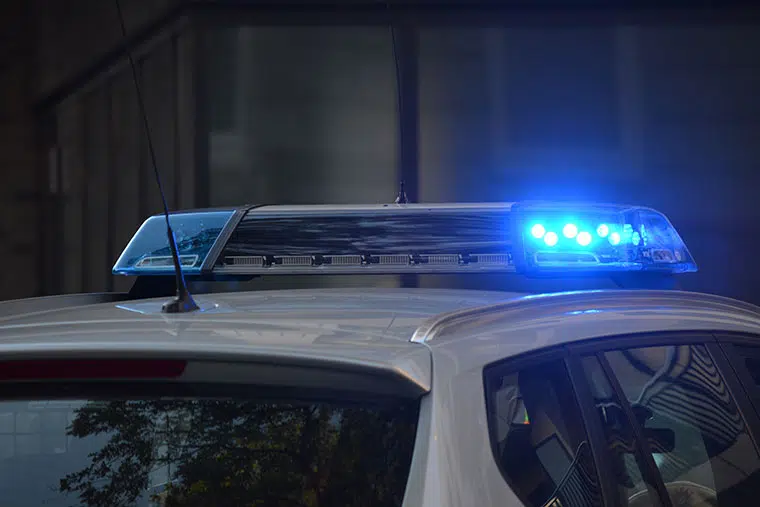
DUI Ontario is the everyday search term for drinking and driving allegations, but “DUI” and “DWI” are not separate Ontario offences. The Criminal Code of Canada creates several distinct conveyance offences, including impaired operation, an alcohol-concentration offence commonly called Over 80, drug-related offences, and refusal allegations.

A stop or charge can create urgent licence and vehicle consequences before a criminal case reaches court. What police requested, what happened during testing, and the documents you were given can all matter, so keep the details and get legal advice before making decisions about the case.
DUI laws in Ontario: the quick answer
Ontario drinking and driving laws involve both federal criminal law and provincial driving consequences. A person may face a Criminal Code allegation after operating, or having care and control of, a vehicle while impaired, with a prohibited alcohol or drug concentration, or after failing or refusing to comply with a lawful demand.
“DUI,” “drunk driving,” and “impaired driving” are often used interchangeably in conversation. In court, however, the exact charge matters because the Crown must prove the elements of that particular offence beyond a reasonable doubt. For a fuller explanation of a dui first offence Ontario, review the charge wording and the papers given by police rather than relying on the label used at the roadside.
A drunk driving lawyer can review the specific allegation, testing records, release paperwork, and the immediate consequences affecting your ability to drive. Early advice is particularly important if you have been served with a suspension or have a court date.
What is the legal alcohol limit in Ontario?
For the Criminal Code alcohol-concentration offence, the relevant threshold is 80 milligrams of alcohol in 100 millilitres of blood within two hours after a person stops operating a conveyance. This is commonly called “Over 80,” although the legal issue is more precise than simply whether a person was above 0.08 while their vehicle was moving.
Section 320.14 of the Criminal Code sets out impaired-operation and prohibited-concentration offences. Ontario can also impose roadside administrative consequences at alcohol levels below the Criminal Code threshold, so being below 80 does not necessarily mean there will be no driving consequence.
There is no reliable number of beers, glasses of wine, or mixed drinks that guarantees a person can legally drive. Alcohol absorption and elimination vary with timing, drink size and strength, food, medication, health, and individual factors. Someone asking, “Can I drive after one beer in Ontario?” should not treat one beer as a legal or safe formula: even a single drink can be relevant to a novice or young driver’s zero-tolerance rule, and it cannot establish a person’s alcohol concentration.
Likewise, “How many drinks is 0.08 in Ontario?” has no dependable answer. A person who has several drinks over dinner may feel normal yet produce a reading that creates legal consequences; another person may still have alcohol in their body the next morning. The safer decision is not to drive after drinking when there is any uncertainty.
Warning range and zero-tolerance rules are not the same as a DUI charge
Ontario’s warning range and zero-tolerance rules are provincial roadside rules, not the same thing as a Criminal Code conviction. A driver can face an immediate administrative suspension and related vehicle consequences under the Highway Traffic Act even when police do not lay a criminal charge.
The “warn range” generally refers to an approved screening device result from 50 to 79 milligrams of alcohol in 100 millilitres of blood. It is below the Criminal Code 80 threshold, but it can still trigger Ontario roadside consequences administered through the Ministry of Transportation.
Drivers aged 21 and under, and novice drivers such as G1, G2, M1, and M2 licence holders, are subject to Ontario zero-alcohol and zero-drug rules. A roadside administrative consequence can affect work, school, family responsibilities, and insurance even though it is not itself a finding of guilt in criminal court.
Do not assume that a suspension’s length, fee, vehicle impoundment, or program requirement will be the same in every situation. These provincial rules can change and depend on the driver’s record, licence class, and the allegation. Back on Track requirements may also arise in particular impaired-driving circumstances.
Which drinking and driving charges can apply?
The charge police lay depends on the evidence they say they have, not simply on whether a driver felt drunk. The most common drinking and driving Ontario allegations include the following:
- Impaired operation: the allegation is that alcohol, drugs, or both impaired the person’s ability to operate a conveyance.
- Over 80: the allegation is that the person had the prohibited alcohol concentration within the statutory two-hour period after ceasing to operate.
- Drug-impaired operation: the allegation is impairment by a drug, or by alcohol and a drug.
- Drug-concentration offences: the Criminal Code also creates technical offences involving certain blood-drug concentrations. These allegations require careful review of the applicable provision, testing, and timing.
- Failure or refusal to comply: the allegation is that the person failed or refused, without a reasonable excuse, to comply with a lawful demand for a sample or other required testing step.
“Care and control” can matter even when the vehicle is not moving. For example, a person sitting in the driver’s seat of a parked vehicle with the keys available while waiting to “sleep it off” may still face an allegation that they had care and control. Whether the Crown can prove that allegation depends on the full facts, including the risk that the vehicle could be put in motion.
Over 80 charges in Oshawa and elsewhere in Ontario proceed under the same federal Criminal Code provisions, although the local Ontario Court of Justice location and scheduling will differ. A detailed review of over 80 charges brampton can help explain the alcohol-concentration allegation and the issues that may arise in its proof.
What happens if police stop you for drinking and driving?
If police stop you, provide the documents you are legally required to provide, remain polite, comply with a lawful demand, and do not volunteer an account of what you drank or where you were driving. You should seek legal advice when police provide the opportunity to do so, but the roadside process can move quickly.
Police may stop a vehicle for highway-safety purposes. At the roadside, an officer may make a demand for a breath sample into an approved screening device. A driver generally does not have the right to speak with counsel before providing a roadside screening sample, and delaying or declining a lawful demand can itself create serious legal consequences.
If the roadside result or other observations lead police to take further steps, the person may be arrested and brought to a police station for breath testing on an Intoxilyzer, or may be asked to participate in further alcohol or drug testing. After arrest or detention, the Canadian Charter of Rights and Freedoms generally requires police to advise a person of the right to counsel and provide a reasonable opportunity to exercise it without delay, subject to the circumstances.
Police may release a person with paperwork that includes a court date, a promise to appear, an undertaking, a suspension notice, or other documents. In other situations, a person may be held for a bail hearing. The sequence is not identical in every case, so preserve every paper rather than relying on memory. For more on immediate arrest issues, see can you get arrested for drinking and driving.
For example, consider someone stopped after a late restaurant dinner who provides a roadside sample and is taken to the station for breath testing. They may leave several hours later with a court date and a notice affecting their licence. The criminal allegation is not decided that night: the Crown must later prove the charge in court using admissible evidence.
What happens immediately after a DUI charge in Ontario?
An immediate licence suspension or vehicle consequence is separate from the criminal case, and a charge is not a conviction. The provincial consequence can begin right away, while the Crown later has to prove the Criminal Code allegation in the Ontario Court of Justice.
The first 48 hours are a useful time to protect information, not to try to explain the incident away. Take these practical steps:
- Keep every document, receipt, suspension notice, release paper, towing record, and property receipt.
- Write a private, dated timeline while your memory is fresh: where you were, when you drove, what officers said, the times of each test, any medical issue, and who may have seen events.
- Comply exactly with release conditions and any driving prohibition or suspension. Do not drive unless you have confirmed you are legally permitted to do so.
- Do not discuss the facts on social media or ask others to coordinate accounts of what happened.
- Arrange prompt legal advice and ask how disclosure, court dates, and deadlines will be handled.
Disclosure is the material the Crown provides about the case, such as police notes, breath-test documents, video where available, and witness information. It often takes time to receive and review. A person should attend every scheduled court appearance unless a lawyer has confirmed another arrangement.
The legality of a stop, demand, arrest, or search is fact-specific. Reading about dui legal rights can help a person identify questions to raise, but it does not replace a review of the actual disclosure and timeline.
DUI penalties and impaired driving sentences in Ontario
On conviction, a first impaired-driving-related offence generally carries a minimum $1,000 fine; a second offence carries a minimum 30-day jail term; and a third or subsequent offence carries a minimum 120-day jail term. These Criminal Code minimums do not describe every possible sentence or every separate provincial driving consequence.
Section 320.19 of the Criminal Code addresses sentencing for these offences. The charge, prior record, whether anyone was injured, the facts of the incident, and licensing rules can all affect the practical consequences. Read more about can you go to jail for a dui in Ontario and the broader impaired driving penalties that may follow a conviction.
A charge is not a conviction: what a lawyer reviews
A criminal charge does not establish guilt, and whether it is worth fighting a DUI in Ontario depends on the evidence and the person’s circumstances. A defence review can examine the reason for investigative steps, the wording and timing of demands, the testing process, continuity of records, disclosure, and possible Charter issues.
For example, a person charged after a breath test may assume the printout ends the case. A proper review may still require examination of the police notes, approved-instrument records, test times, statements, and whether legal rights were properly addressed. That review does not guarantee any outcome, but it allows informed decisions about the case.
DUI Ontario FAQs
Can I refuse a breath sample in Ontario?
Refusing or failing to comply with a lawful breath demand without a reasonable excuse can lead to a Criminal Code charge with serious consequences. Whether a demand was lawful and whether a reasonable excuse applies are fact-specific questions; section 320.15 of the Criminal Code addresses failure or refusal to comply with a demand. Learn more about refusing breathalyzer Canada before making assumptions based on what happened at the roadside.
Can I drive after one beer?
One beer is not a reliable legal benchmark for driving in Ontario. It cannot confirm a person’s blood-alcohol concentration, it may violate zero-tolerance rules for young or novice drivers, and it does not rule out roadside or criminal consequences.
What is the difference between a suspension and a driving prohibition?
A provincial suspension is generally an Ontario licensing consequence under the Highway Traffic Act, while a criminal driving prohibition may be imposed through the Criminal Code process. Both can prevent lawful driving, and neither should be ignored because driving while prohibited or suspended can create further legal problems.
What does Over 80 mean in Oshawa?
Over 80 means the Crown alleges the prohibited alcohol concentration within two hours after operation, not merely that someone appeared intoxicated. The charge is governed by federal law in Oshawa as it is across Ontario, but the case will usually be scheduled in the local Ontario Court of Justice.
Is it worth getting legal advice after a charge?
Getting legal advice promptly can help a person understand release terms, immediate driving consequences, disclosure, and the court process before important deadlines or decisions arise. Bring all paperwork and a written timeline to the discussion, and do not assume a charge or a roadside result decides the case by itself.
Speak with a Toronto criminal defence lawyer
Drinking and driving allegations can involve immediate licence consequences as well as a criminal court process, so early advice can help you understand the documents, deadlines, and allegations you face.
Call 647-351-HELP (4357) or book a free consultation to discuss your case with Jeffrey I. Reisman.