

 Based on 116 Verified Google Reviews

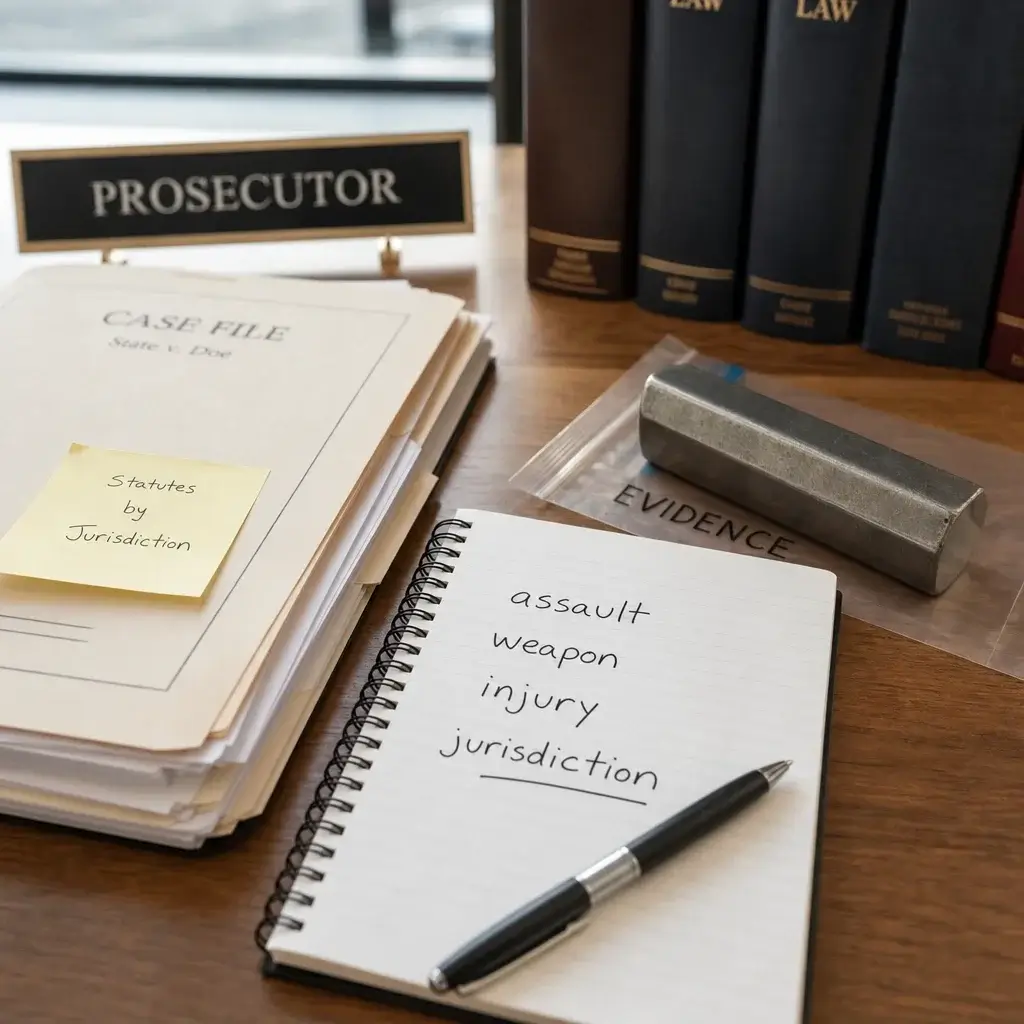
Aggravated assault with a deadly weapon meaning: charges, sentences, and defences can be confusing in Ontario because that exact phrase is not a standard Criminal Code offence title. In Canada, the allegation is more commonly charged as assault with a weapon, assault causing bodily harm, or aggravated assault, depending on what is alleged to have happened and the injury involved.
The wording on the charging document matters more than the phrase used in a police conversation, a news report, or an online search. Read the Information or indictment carefully: it identifies the Criminal Code section, the date and place alleged, and the basic allegation the Crown must prove.
What aggravated assault with a deadly weapon means in Canada
In Canada, “aggravated assault with a deadly weapon” is not a standard Criminal Code offence title. In Ontario, police and the Crown will commonly consider section 267 or section 268, depending on the alleged weapon use, the nature of the assault, and the level of injury.
People often use the phrase to describe a serious allegation involving a knife, gun, bottle, bat, vehicle, tool, or another object said to have been used to hurt, threaten, or intimidate someone. But the actual charge may be different from the everyday label. It may be common assault, assault with a weapon, assault causing bodily harm, aggravated assault, pointing a firearm, or a separate weapons-related offence.
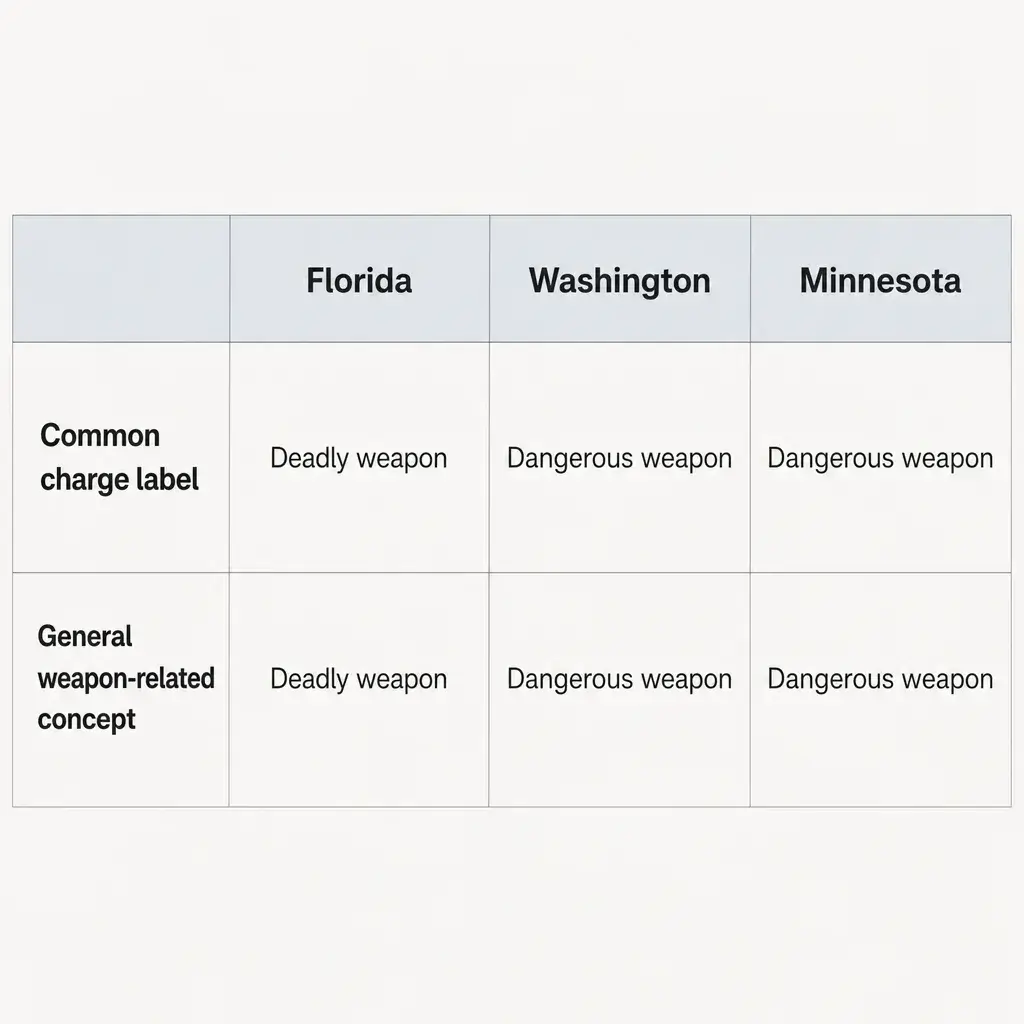
Canadian criminal law does not use “deadly weapon” as the usual charge label in the same way some American states do. The important questions are: what object is alleged to have been involved, how was it allegedly used, was there contact or a threat, what injury occurred, and what section appears on the Information or indictment?
For example, a person accused of swinging a kitchen knife toward another person during an argument, without making contact, may face an allegation of assault with a weapon. A person accused of striking someone with a metal bar and causing permanent facial scarring may face an allegation of aggravated assault. The facts, medical evidence, witness accounts, and exact charge all matter.
Canadian charges are usually laid as assault, assault with a weapon, assault causing bodily harm, or aggravated assault. Do not assume that an American-style phrase tells you the Canadian offence or the likely court process.
The Canadian charges behind this phrase
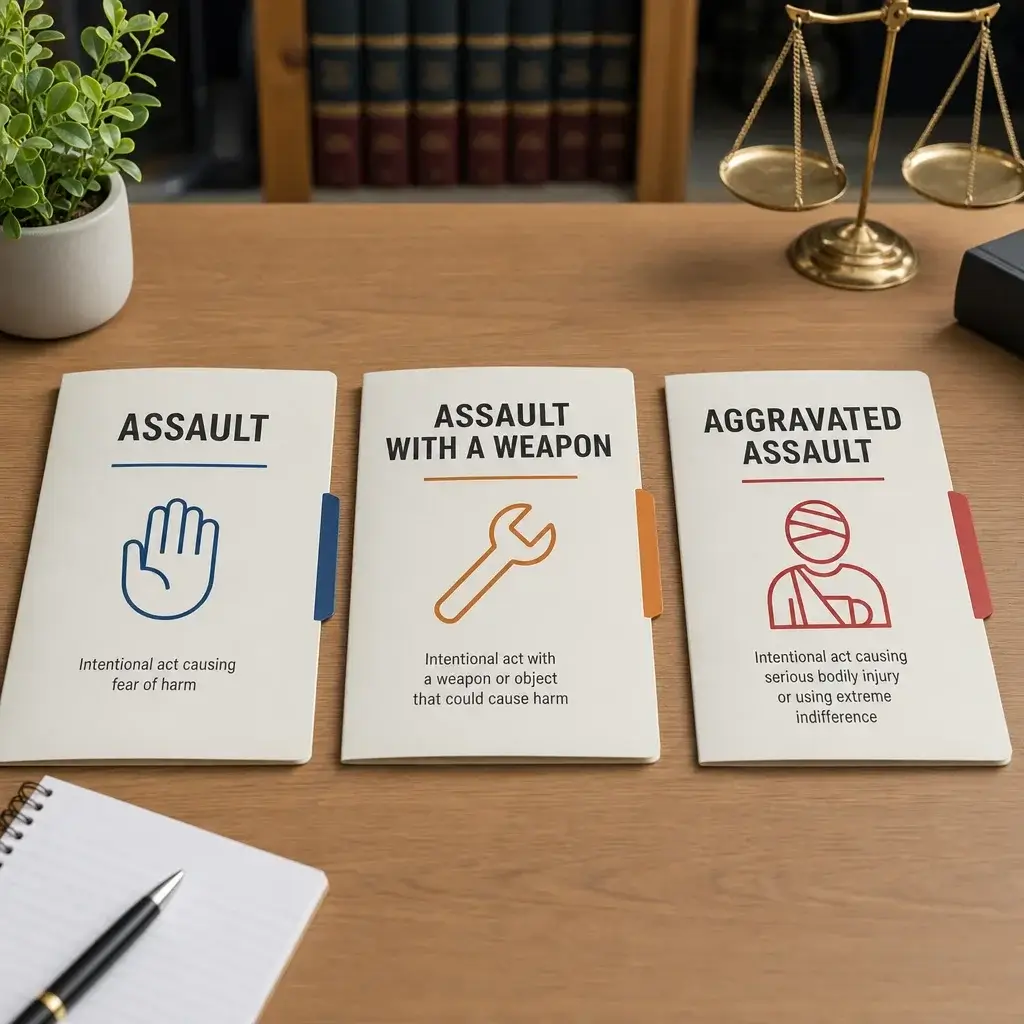
Ontario law distinguishes common assault, assault with a weapon or assault causing bodily harm, and aggravated assault by the conduct and harm alleged. Aggravated assault is the most serious of these standard assault offences because it requires proof that the complainant was wounded, maimed, disfigured, or had their life endangered.
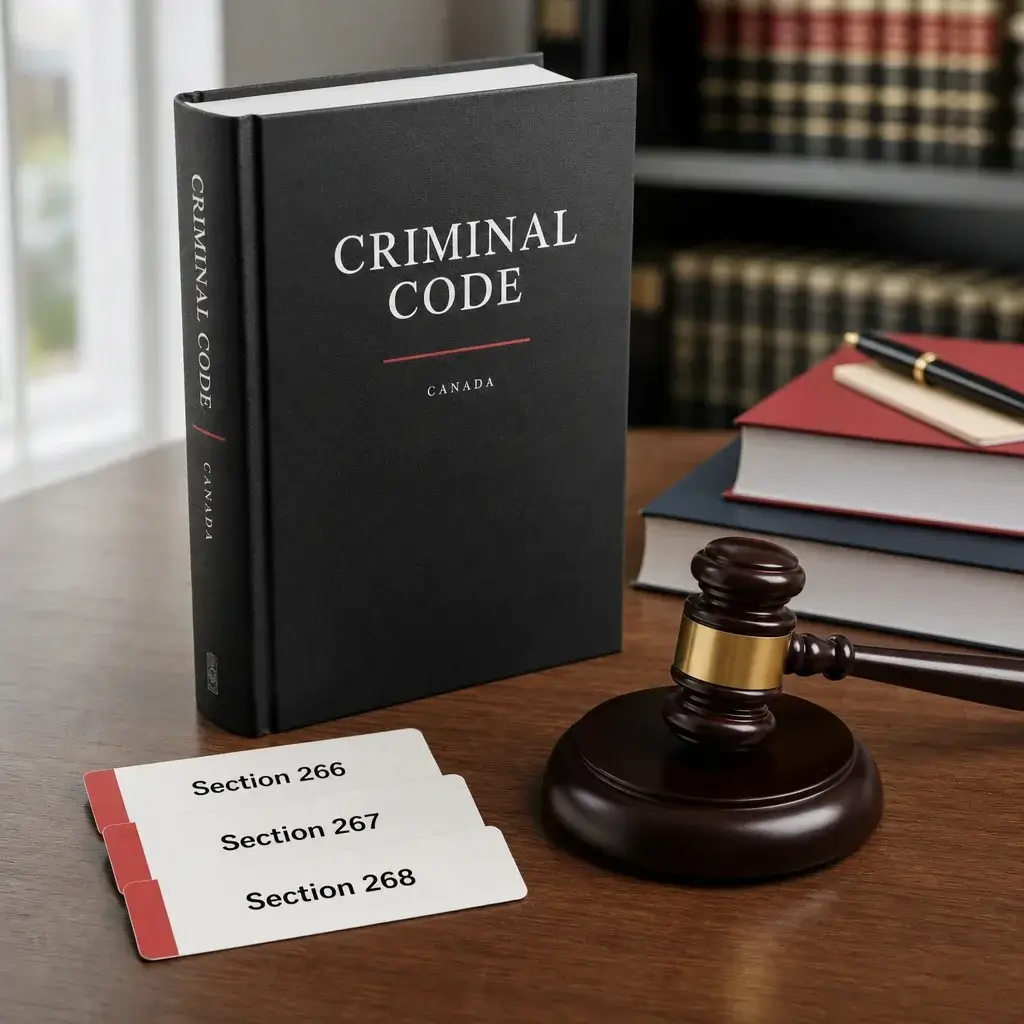
Section 266 of the Criminal Code is the general punishment provision for common assault. Assault itself is defined in section 265 and can include intentionally applying force without consent, attempting or threatening to apply force in circumstances where the other person reasonably believes the person can carry it out, or accosting or impeding someone while openly carrying a weapon or imitation weapon.
Section 267 covers two related allegations: assaulting a person while carrying, using, or threatening to use a weapon or imitation weapon, and assault causing bodily harm. “Bodily harm” means hurt or injury that interferes with a person’s health or comfort and is more than merely transient or trifling. A weapon is not required for the bodily-harm branch of section 267.
Section 268 covers aggravated assault. The Crown must prove an assault and that the assault wounded, maimed, disfigured, or endangered the complainant’s life. A weapon is often alleged in aggravated assault cases, but a weapon is not a separate legal element of section 268.
Here is the practical difference:
- Common assault: An alleged push, slap, attempted strike, or threat may be enough if the legal test for assault is met. Serious injury is not required.
- Assault with a weapon: The Crown alleges a weapon or imitation weapon was carried, used, or threatened during the assault. Injury is not required for this branch of section 267.
- Assault causing bodily harm: The Crown alleges an assault caused an injury that is more than transient or trifling. A weapon is not required.
- Aggravated assault: The Crown alleges the much more serious outcome identified in section 268: wounding, maiming, disfigurement, or endangerment of life.
A comparison of assault vs aggravated assault can help explain the legal line between these charges. In any real case, however, the wording of the Information, the disclosure, and the medical evidence are more important than an informal description of the incident.
What makes an object a weapon
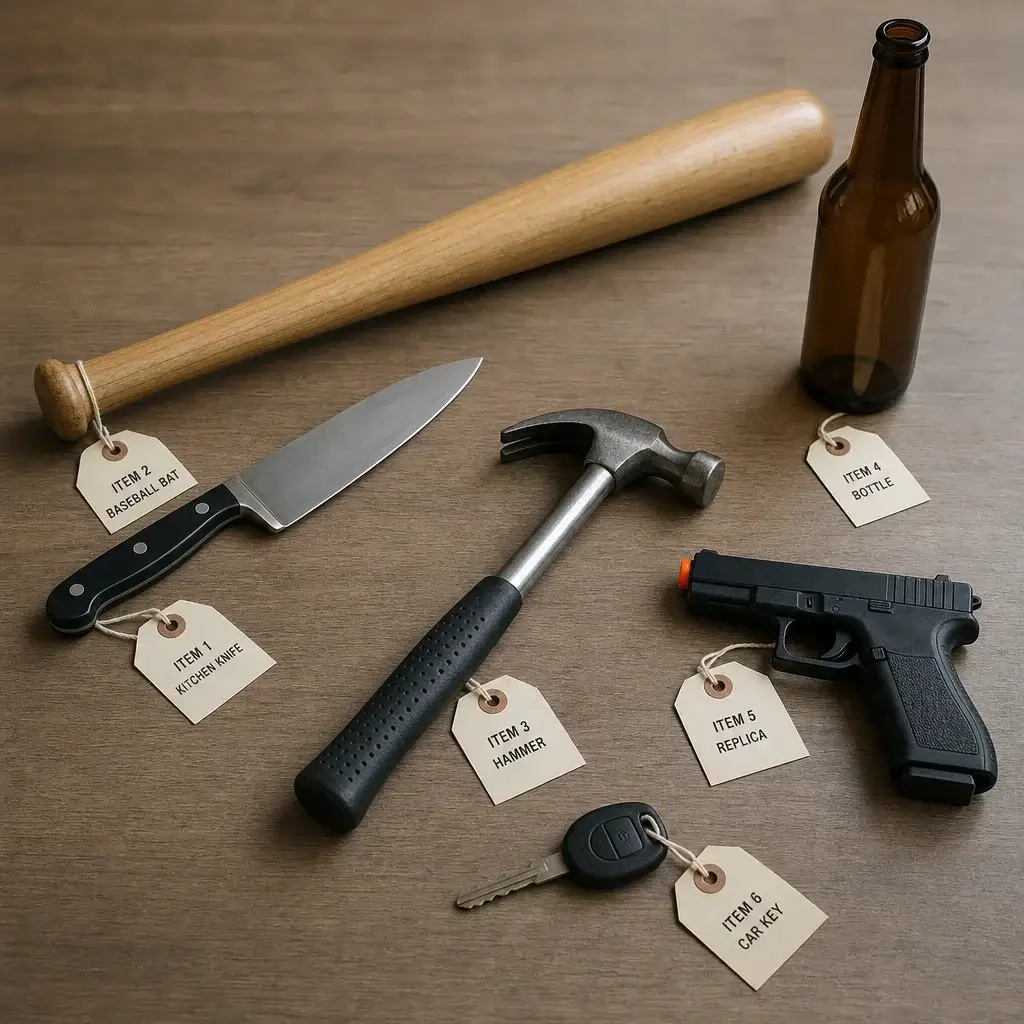
Under the Criminal Code, an object can be a weapon because of how it was used, designed to be used, or intended to be used to cause death or injury or to threaten or intimidate someone. It is not limited to firearms and knives.
A bottle, hammer, baseball bat, vehicle, chair, tool, heavy mug, or another ordinary object may be alleged to be a weapon if the evidence supports that use or intention. Context matters: a person carrying a tool for work is not in the same position as a person alleged to have raised or used that tool during an assault.
An imitation weapon can also matter under section 267 if it was carried, used, or threatened during the alleged assault. A realistic replica, a pellet gun, or an object presented as a gun may create serious legal issues even if it could not fire a live round.
Where a gun, firearm licence, ammunition, or firearm storage issue is part of the allegation, a firearm criminal defence lawyer can assess the assault allegation alongside any related weapons charges. Firearm allegations can also lead to release conditions and possible prohibition issues that are separate from the central assault count.
For example, consider a person accused of grabbing a beer bottle during a crowded bar dispute and striking another patron. The bottle may be alleged to be a weapon even though it is an ordinary item. If the person says the bottle was knocked from their hand during a struggle, video, witness positions, injury photographs, and the sequence of events may become important.
Is assault with a weapon worse than assault?
An allegation involving a weapon is generally treated more seriously than an allegation of common assault, but the exact charge depends on what the Crown can prove about weapon use, threats, and injury. A weapon allegation can affect release conditions, the scope of disclosure, sentencing exposure, and the long-term consequences of a conviction.
That does not mean every object mentioned in an argument automatically proves assault with a weapon. The Crown must still prove the required assault and weapon elements beyond a reasonable doubt. A disputed object, an inaccurate description, poor lighting, an unreliable identification, or evidence that the object was not used or threatened may be significant.
An allegation sometimes described as assault with deadly weapon is usually called assault with a weapon in Canadian law. That related discussion explains possible penalties and defences in more detail; the immediate issue is still the actual allegation set out in the charging document.
For example, if one person says another person displayed a crowbar during a driveway argument, but video shows the crowbar remained on the ground and no threat was made with it, the distinction may matter. The case may still involve an alleged assault, but the evidence relevant to a weapon allegation has to be reviewed carefully.
Can there be a charge without contact or intent to kill?
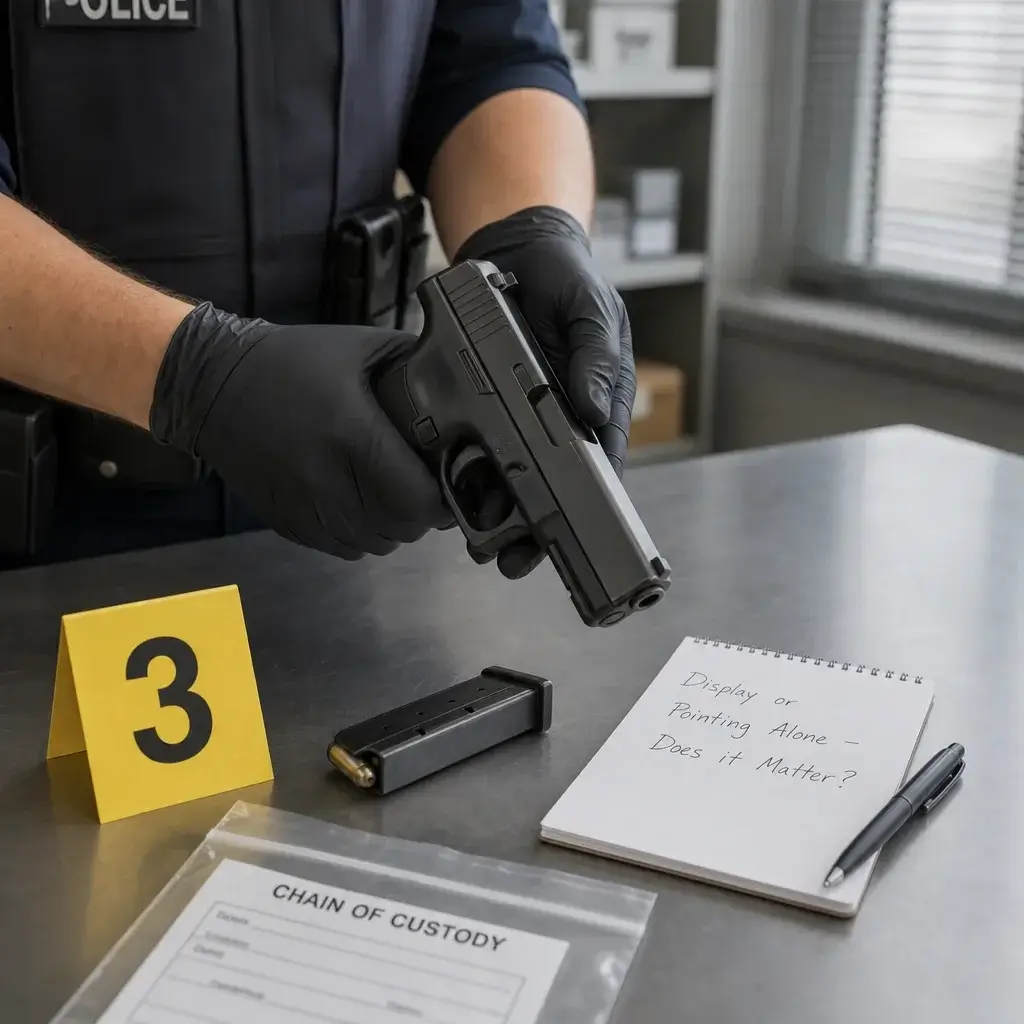
Yes, an assault allegation can arise without physical contact where there is an attempted application of force or a threat that meets the Criminal Code test. But aggravated assault requires the serious harm specified in section 268, so a no-contact allegation is more likely to be charged under a different assault provision.
A person does not have to be struck for police to investigate an allegation involving a raised knife, a pointed firearm, a swung bat, or a threat accompanied by conduct that suggests immediate ability to carry it out. The surrounding circumstances matter, including distance, words used, the person’s movements, visibility, and whether the complainant had reasonable grounds to believe force could be applied.
An intent to kill is not an element of aggravated assault. The Crown must prove the intent required for the assault and the serious result required by section 268, but aggravated assault is not the same offence as attempted murder.
Attempted murder is a separate and much more serious allegation that requires proof of an intent to kill. A serious injury, a weapon, or a frightening incident does not automatically establish that intent. Courts examine the full evidence, which can include what was said, the kind of force alleged, where force was directed, the number of blows, planning, and actions before and after the event.
For example, a person who allegedly swings a knife at someone who steps away may face an assault-with-a-weapon allegation even if nobody is cut. By contrast, a person accused of inflicting injuries that require emergency surgery may face an aggravated-assault allegation if the Crown says the injuries endangered life. The final legal characterization depends on the evidence, not just the object involved.
Section 87 of the Criminal Code also creates a separate offence of pointing a firearm at another person without lawful excuse. That is one reason a firearm allegation may involve more than one count or more than one legal issue.
What the Crown must prove and what evidence matters
The Crown must prove every required element of the charge beyond a reasonable doubt. In an Ontario weapon-assault case, that can include the identity of the accused, the alleged assaultive act or threat, the role of the alleged weapon or imitation weapon, the required intent, and the required injury level where bodily harm or aggravated assault is charged.
Disclosure is the material the Crown provides to the defence to allow the case to be assessed. It may include the complainant’s statement, 911 calls, police notes, officer body-worn-camera footage, surveillance video, injury photographs, medical records, text messages, social media records, civilian witness statements, and photographs or forensic records relating to the alleged object.
Evidence may support the allegation, but it can also raise questions. A complainant’s first account may differ from later accounts. Video may show only part of an encounter. Medical records may describe an injury differently from an initial police report. A witness may have viewed the incident from a distance, in poor lighting, or while intoxicated.
Preserve material that may be relevant without trying to change it. Save original messages, call logs, photographs, videos, location information, receipts, and the names and contact information of potential witnesses. Make a private factual note while events are fresh, but do not alter screenshots, delete posts, ask others to remove material, or create a coordinated version of events.
Do not contact the complainant to explain, apologize, seek a retraction, or ask them to change their account. That can breach a no-contact condition, create new evidence, and make an already difficult case more complicated. The same caution applies to posting about the allegation or debating it online.
For example, consider someone charged after a condominium hallway argument in which a metal flashlight is alleged to have been used as a weapon. Hallway video may show who approached whom, but it may have no audio. Text messages sent before and after the event, building access records, injury photographs, and accounts from neighbours may all be relevant to the Crown’s ability to prove the allegation.
Defences depend on the facts
There is no automatic defence to an assault-with-a-weapon or aggravated-assault allegation. Self-defence, identity, intent, reliability of witnesses, injury proof, and Charter issues may matter, but the available defence depends on the charge and the disclosure.
Self-defence is governed by section 34 of the Criminal Code. In broad terms, the provision requires an act committed for the purpose of defending or protecting oneself or another from force or a threat of force, and the act must be reasonable in the circumstances.
Self-defence is not determined solely by who threw the first punch. Relevant circumstances can include the nature of the threat, weapons involved, the parties’ relative size and age, the history of their relationship, whether there were other ways to respond, and whether the force alleged was proportionate and reasonable in the situation. The assessment is highly fact-specific.
Other issues may include mistaken identity, accident, lack of intent, fabrication, inconsistent accounts, unreliable video interpretation, or inadequate proof that the injuries meet the legal threshold for the charge. If aggravated assault is charged, medical evidence may be especially important because the Crown must prove wounding, maiming, disfigurement, or endangerment of life.
The Canadian Charter of Rights and Freedoms can also matter. Section 8 protects against unreasonable search and seizure, and section 10(b) protects the right to retain and instruct counsel without delay. Whether a Charter application is available depends on the police conduct and the evidence obtained, not simply on the fact that a person was arrested.
For example, a person may say they held up a chair to keep another person from striking them with a bottle. If witnesses and video support a continuing threat, self-defence may require close analysis. If the other person had already left and the accused then pursued and struck them with the chair, the analysis may be very different.
Keep witness information and original records for counsel, and avoid discussing the evidence publicly. A defence is built from reliable evidence and applicable law, not from online arguments or contact with the complainant.
What happens after arrest or charge in Ontario
After an arrest or charge in Ontario, release conditions must be followed exactly while the defence obtains disclosure and assesses the allegation. The immediate priorities are to exercise the right to counsel, avoid making statements about the incident, keep all release documents, and avoid a breach.
If police arrest someone and do not release them, a justice may decide release at a judicial interim release hearing, commonly called a bail hearing. The court can impose conditions such as no contact with the complainant or named witnesses, not attending a particular address, a weapons prohibition, reporting requirements, a curfew, or a requirement to live at a particular address.
A no-contact condition means exactly what it says. It can apply to direct messages, calls, social media contact, messages delivered through friends or relatives, and contact that is supposedly intended to be helpful or peaceful. Only a court can change a court-ordered condition; private agreement from the complainant does not change the order.
A bail hearing lawyer Toronto can address the proposed release plan, surety issues where applicable, and the wording of conditions before a person agrees to terms that may be difficult to follow. A breach allegation can result in a new criminal charge and may affect future release decisions.
Once released, the defence typically obtains and reviews disclosure, identifies missing material, discusses the case with the Crown, and evaluates possible legal issues. Some cases resolve through Crown discussions or a plea; others require motions, a preliminary inquiry where available and appropriate, or a trial. The process and timing vary substantially with the charge, court location, disclosure, legal applications, and trial requirements.
If the allegation arose between current or former partners, family members, or people living together, release terms can have immediate housing and parenting consequences. A domestic assault lawyer Toronto can help assess the assault charge and the practical implications of no-contact and non-attendance conditions.
Right after arrest or charge, take these practical steps:
- Ask to speak with a lawyer before answering questions about the allegation.
- Read every condition on an undertaking, release order, or recognizance and keep a copy accessible.
- Follow no-contact, non-attendance, weapons, reporting, and curfew terms exactly.
- Preserve original evidence and make note of witnesses, but do not contact the complainant or try to influence witnesses.
- Attend every court date and promptly tell counsel if contact with police or the complainant occurs.
- Do not post about the case or discuss facts in texts, group chats, or social media.

Sentences, records, and firearms consequences
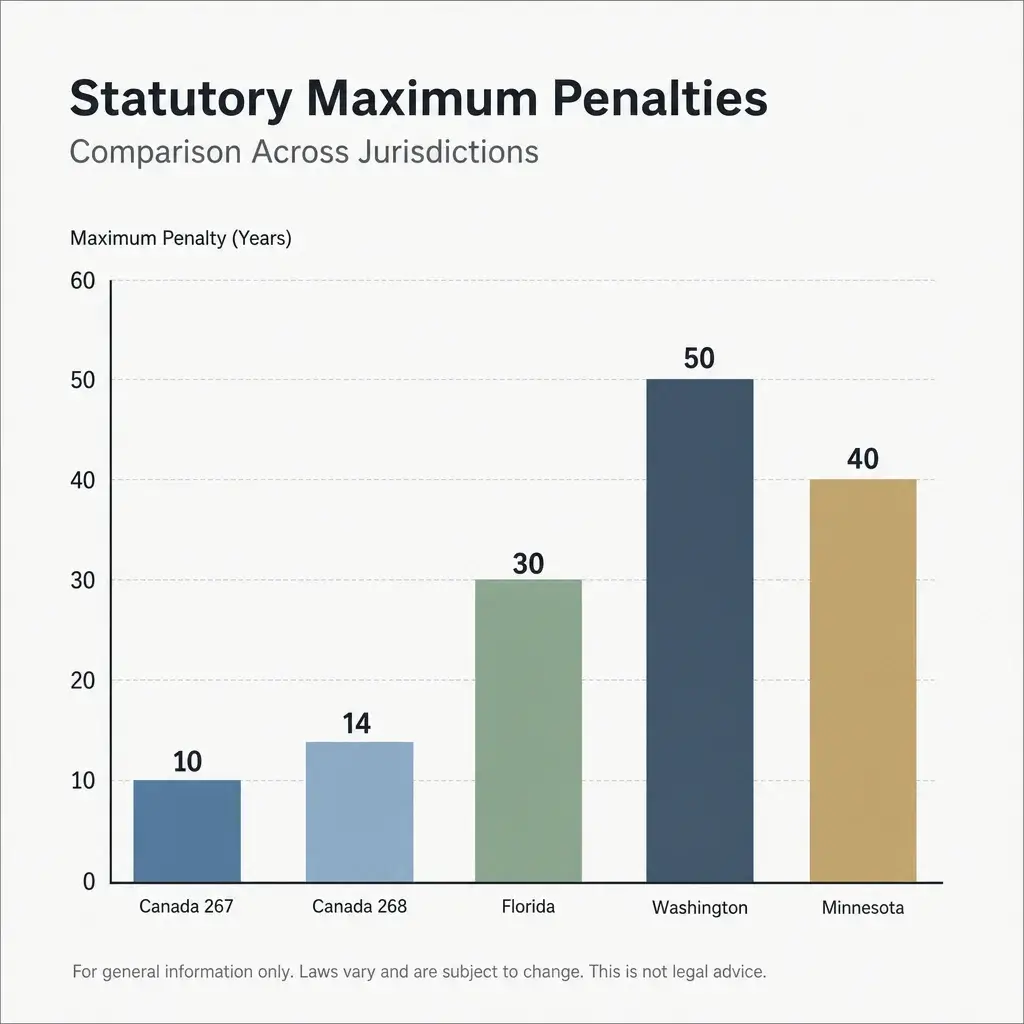
Statutory maximum sentences are not predictions of what will happen in an individual case. Assault with a weapon or assault causing bodily harm under section 267 is punishable by up to 10 years’ imprisonment when prosecuted by indictment, while aggravated assault under section 268 carries a maximum of 14 years’ imprisonment.
There is no single answer to “how long do you go to jail” for an allegation involving a weapon. Sentencing depends on the offence of conviction, injury, nature of the weapon, whether the conduct involved planning or repeated force, the relationship between the parties, the person’s record, whether they were on release or probation, evidence of rehabilitation, and the sentencing principles that apply.
Possible consequences can include imprisonment, a conditional sentence where legally available, probation, restitution, a fine in appropriate cases, and a criminal record. The result depends on the charge, the facts proven or admitted, applicable sentencing law, and the court’s assessment of the individual circumstances.
A conviction can affect employment screening, professional licensing, volunteering, immigration matters, and travel. Immigration consequences should be reviewed promptly by a lawyer qualified to advise on immigration law because a criminal charge or conviction can affect a non-citizen’s status or admissibility.
Weapons consequences can be significant even where the central allegation did not involve a firearm. The court may make a weapons prohibition order in circumstances authorized by law, and a firearms licence may be affected through separate legal and administrative processes. Existing release conditions may also require firearms, ammunition, licences, or other weapons to be surrendered or not possessed.
For a closer discussion of factors that affect an aggravated assault with a deadly weapon sentence, see the related sentencing article. It explains why a maximum penalty is a legal ceiling rather than a reliable estimate for a particular person.
Related terms and common questions
What is assault with a dangerous weapon?
“Assault with a dangerous weapon” is not the usual Criminal Code charge label in Canada. In Ontario, the comparable allegation is commonly called assault with a weapon under section 267, although the actual charge depends on the alleged conduct and injury.
What does deadly weapon mean in Canadian criminal law?
Canadian law uses the broader term “weapon,” which can include anything used, designed to be used, or intended for use in causing death or injury or for threatening or intimidating a person. Whether an object is a weapon depends heavily on its alleged use and the context.
What is the minimum sentence for aggravated assault with a deadly weapon in Florida?
Florida law does not govern an Ontario charge, and Ontario courts do not sentence under Florida minimum-sentence rules. Anyone facing a Florida allegation should have a Florida lawyer review the current statute, the charging document, and any applicable sentencing enhancement.
What does fatal assault mean?
“Fatal assault” is an informal description, not a specific Criminal Code charge title. If a person dies, police and the Crown may investigate homicide offences, including murder or manslaughter, depending on the evidence and the legal elements that can be proved.
What does getting aggravated mean?
“Getting aggravated” is everyday language meaning becoming annoyed, angry, or frustrated. It is not a criminal charge and should not be confused with aggravated assault.
What is the difference between an aggravated assault charge and a weapon allegation?
Aggravated assault under section 268 focuses on the serious result of the assault: wounding, maiming, disfigurement, or endangerment of life. Assault with a weapon under section 267 focuses on carrying, using, or threatening to use a weapon or imitation weapon during an assault, even where the injury does not meet the aggravated-assault threshold.
Does an assault with a weapon conviction create a criminal record?
A conviction can create a criminal record and can have effects beyond the sentence itself. The seriousness of those consequences is one reason to understand the charge, release terms, evidence, and options before making decisions in court.
Is there a minimum sentence for aggravated assault in Canada?
There is no general mandatory minimum sentence for aggravated assault under section 268 simply because the offence is aggravated assault. The applicable sentencing range depends on the facts and the law, and the statutory maximum of 14 years is not a prediction of the sentence in a particular case.
The article on aggravated assault minimum sentence discusses this question in the Canadian context. It is important not to import American sentencing terminology into an Ontario case.
Where can I find more information about penalties for assault with a weapon?
Sentencing turns on the charge and facts, including the object involved, the injuries, the person’s background, and the circumstances of the incident. The discussion of an assault with a deadly weapon sentence explains the Canadian penalty framework and why case-specific advice requires disclosure.
Speak to a criminal defence lawyer early
The Information or indictment, disclosure, injury evidence, alleged object, and release terms determine what should happen next in an Ontario assault case. Getting advice early can help a person understand the charge, preserve relevant material, avoid a breach, and avoid making statements that may become evidence.
Call 647-351-HELP (4357) or book a free consultation to discuss your case with Jeffrey I. Reisman.